

Children Forget Gifts… But Never Forget How Parents Made Them Feel
A child may not remember the toy you bought five years ago.
They may forget the expensive birthday gift, the fancy clothes, or even the details of family vacations.
But the way you made them feel during childhood often stays with them for life.
Many adults can still remember the warmth of being comforted after a bad day. They remember feeling safe around a parent. They also remember moments when they felt ignored, constantly criticized, or emotionally alone.
That is the quiet power of parenting.
Many families go through this, and you’re not alone. Parenting is not about being perfect every day. It is about creating emotional moments that make children feel valued, heard, and safe.
Why Children Remember Feelings More Than Gifts
Children experience the world emotionally before they fully understand it logically.
A young child may not understand financial sacrifice or expensive presents. But they do understand tone of voice, facial expressions, patience, affection, and emotional safety.
That is why children remember feelings so deeply.
A simple bedtime conversation can become a lifelong memory. Sitting beside your child when they feel anxious may matter more than buying them another gadget.
Emotional experiences shape how children see themselves and the world around them.
According to the UNICEF parenting resources, positive emotional connection helps children build confidence, resilience, and healthy relationships. When children consistently feel emotionally supported, they often develop stronger emotional security over time.
The Small Moments Children Carry Into Adulthood
Most meaningful childhood memories are surprisingly ordinary.
A father waiting outside school in the rain.
A mother listening carefully after a difficult exam.
Parents laughing together with their child during dinner.
These moments rarely look “big” at the time. Yet they quietly become emotional anchors.
One adult once shared that the most meaningful memory from childhood was not a birthday party or an expensive gift. It was the night their mother sat beside them during a power cut and told stories until they fell asleep feeling safe.
Children often remember emotional presence more than material things.
That does not mean gifts are wrong. Giving gifts can express love and care. But emotional connection is what gives those moments lasting meaning.
When Children Feel Emotionally Safe

Children thrive in environments where they feel emotionally accepted.
Emotional safety does not mean parents never correct behavior or set boundaries. It means children feel respected even when they make mistakes.
A child who feels emotionally safe is more likely to:
- express feelings openly
- ask for help when struggling
- develop healthier confidence
- build trust with parents
This emotional foundation becomes especially important during teenage years, when children often face pressure, confusion, and self-doubt.
The American Psychological Association’s parenting guidance also highlights how supportive parenting relationships contribute to emotional well-being and healthier communication within families.
The Difference Between Providing and Connecting
Many parents work extremely hard to give children a better life.
Long working hours, financial stress, and daily responsibilities can make emotional connection difficult. Some parents show love mainly through providing comfort and security.
But children usually need both support and connection.
A child may appreciate gifts temporarily, but emotional attention creates deeper security.
Sometimes even 15 minutes of focused conversation matters more than buying another expensive item.
Simple moments like:
- listening without interrupting
- hugging your child after a stressful day
- encouraging effort instead of only results
- speaking calmly during mistakes
can shape how children remember childhood.
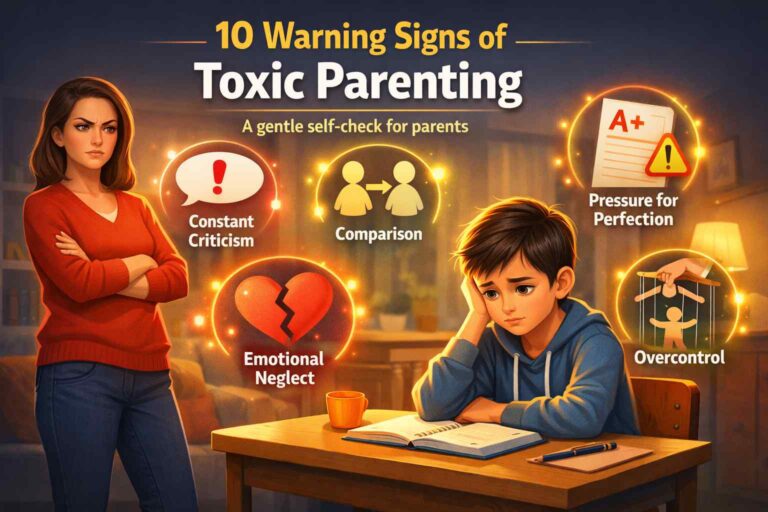
Common Mistakes to Avoid
Even caring parents sometimes unintentionally create emotional distance.
Constantly Correcting Instead of Listening
Children stop sharing openly when every conversation becomes advice, criticism, or comparison.
Sometimes children simply want understanding before solutions.
Using Gifts to Replace Time
Busy parents may try to compensate for lack of time with material things.
While gifts can bring happiness, they cannot fully replace emotional presence.
Comparing Children
Comparisons may temporarily improve performance but often damage self-worth.
Every child develops differently emotionally, socially, and academically.
Ignoring Emotional Signals
Some children express emotional stress quietly.
They may become unusually silent, irritated, withdrawn, or emotionally distant. These behaviors are often emotional signals, not simply “bad attitude.”
Practical Ways to Build Emotional Connection
Strong emotional connection does not require perfection.
It grows through consistency and small everyday actions.
Listen Fully
Put away distractions for a few minutes when your child speaks.
Children notice when parents are emotionally present.
Focus on Emotional Language
Instead of only asking:
“How were your marks?”
also ask:
“How did you feel today?”
This helps children become emotionally expressive and self-aware.
Create Small Rituals
Simple routines build emotional security.
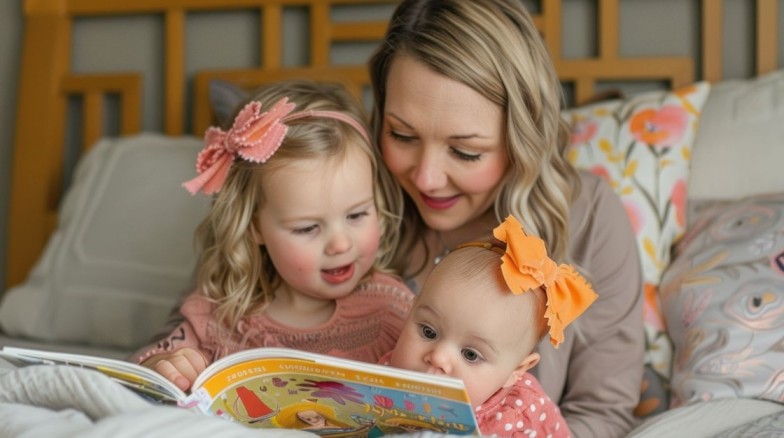
Examples include:
- bedtime conversations
- evening walks
- family meals without phones
- reading together
These rituals often become meaningful lifelong memories.
Stay Calm During Mistakes
Children learn emotional regulation from watching adults.
A calm response during stressful situations teaches emotional safety far more effectively than fear-based reactions.
What Children Truly Need Most
Children do not need perfect parents.
They need emotionally available parents.
Parents who try to understand them.
Parents who apologize when wrong.
Parents who create an environment where feelings are not treated like weaknesses.
Years later, children may forget many details of childhood.
But they often remember:
- whether home felt emotionally safe
- whether they felt heard
- whether they felt accepted during difficult moments
These emotional memories quietly shape adult confidence, relationships, and self-worth.
Final Thoughts
Children remember feelings more deeply than material things.
The way parents respond during ordinary moments often leaves the strongest emotional impact.
A patient conversation during a difficult evening.
A reassuring hug after failure.
A calm voice during emotional storms.
These moments may seem small today, but they can stay with a child forever.
Parenting is rarely about creating a perfect childhood. It is more often about creating emotionally safe memories that children carry into adulthood with warmth, trust, and confidence.
And sometimes, the most valuable gift a child receives is simply feeling loved, understood, and emotionally safe.
Also read:
Emotional Regulation Tips for Parents
FAQ 1
Q: Why do children remember feelings more than gifts?
A: Children emotionally process experiences deeply. Emotional safety, affection, and connection often create stronger long-term memories than material things.
FAQ 2
Q: Can emotional parenting improve a child’s confidence?
A: Supportive emotional connection can help children feel safer, more understood, and emotionally secure, which may positively influence confidence over time.
FAQ 3
Q: What are signs a child feels emotionally disconnected?
A: Some signs may include withdrawal, silence, irritability, avoiding conversations, or reduced emotional expression.
FAQ 4
Q: Are gifts bad for children?
A: No. Gifts can express care and love. Problems usually arise when material things consistently replace emotional connection and quality time.
FAQ 5
Q: How can busy parents emotionally connect with children?
A: Small consistent moments like listening attentively, talking during meals, bedtime conversations, or showing emotional support can strengthen connection.
FAQ 6
Q: Why is emotional safety important for children?
A: Emotional safety helps children feel accepted, understood, and comfortable expressing feelings without fear of humiliation or rejection.
FAQ 7
Q: What matters most to children while growing up?
A: Many children value feeling loved, heard, emotionally safe, and accepted more than expensive possessions or material rewards.