

The Yin–Yang Secret of Parenting
Parenting often feels like walking a tightrope. Some days you’re soft and comforting. Other days you’re firm and setting limits. If you’ve ever wondered whether you’re being “too strict” or “too gentle,” you’re already thinking about yin and yang energy in parenting — even if you didn’t use those words.
Many families go through this, and you’re not alone.
In my experience working with parents and observing family dynamics, I’ve seen how small shifts in emotional tone — not just rules — shape a child’s confidence, resilience, and emotional security. The ancient philosophy of Yin and Yang offers a surprisingly practical lens to understand this balance.
Understanding Yin and Yang Energy in Parenting
The idea of Yin and Yang comes from Taoism. It describes two complementary forces that exist in everything — including families.
Yin energy is nurturing, calm, intuitive, and emotionally supportive.
Yang energy is structured, active, decisive, and boundary-setting.
In parenting, Yin might look like sitting beside your child after a hard day and listening without judgment. Yang might look like enforcing bedtime even when they protest.
Both are necessary. Problems arise when one dominates consistently.
How Excess Yin Energy Can Affect Children
Yin energy brings emotional warmth. Children need it deeply. It helps them feel seen, safe, and valued.
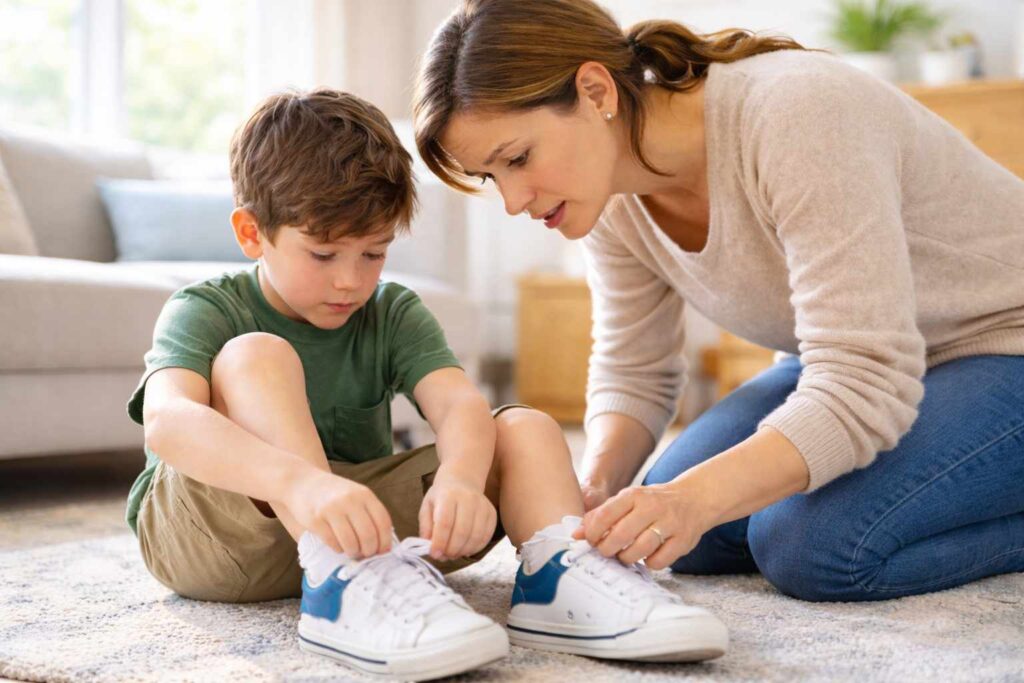
But when Yin becomes excessive — for example, constant rescuing, avoiding discipline, or protecting children from all discomfort — children may struggle with:
- Low frustration tolerance
- Fear of taking risks
- Difficulty making independent decisions
- Emotional overwhelm
I once spoke with a mother who said, “I just don’t want my child to feel upset.” It came from love. Yet her child avoided challenges because discomfort felt unfamiliar and scary.
Gentleness without structure can unintentionally limit growth.
How Excess Yang Energy Can Affect Children
Yang energy builds strength. It teaches responsibility, discipline, and perseverance.
However, when Yang dominates — through harsh rules, constant correction, or emotional distance — children may develop:
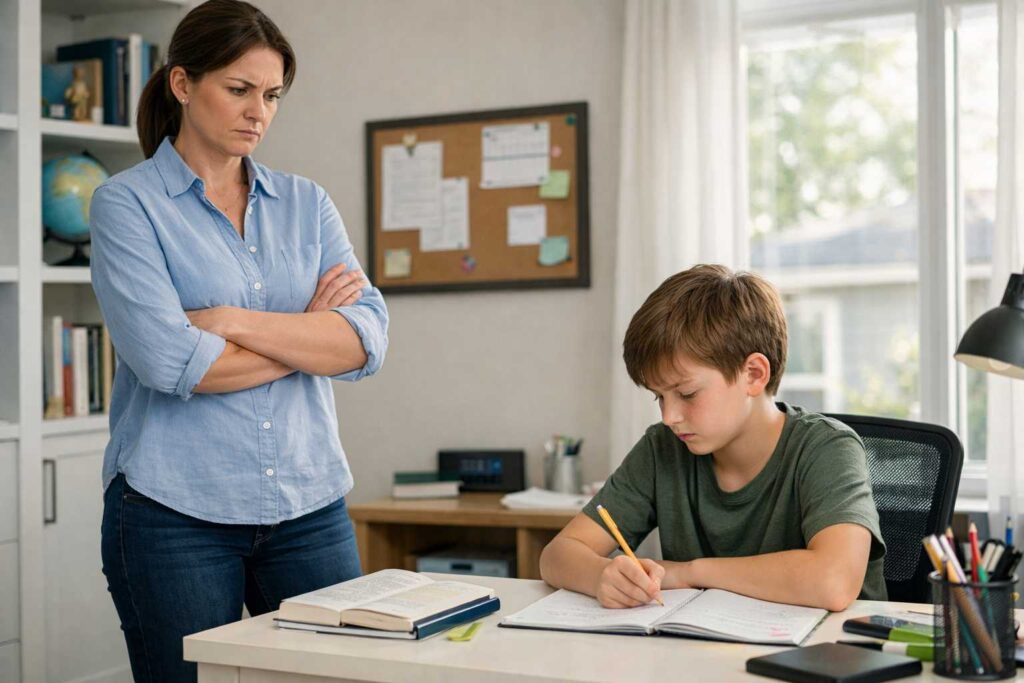
- Fear of making mistakes
- Suppressed emotions
- High achievement paired with anxiety
- Rebellion in adolescence
Children raised in high-Yang environments often appear “strong,” but inside they may struggle to express vulnerability.
The goal isn’t to eliminate Yang. It’s to soften it with empathy.
What Balanced Yin and Yang Energy Looks Like
Balanced parenting blends warmth with boundaries.
Imagine this:
Your child fails a test. Yin says, “I know that feels disappointing. I’m here.”
Yang says, “Let’s make a study plan for next time.”
Emotional validation (Yin) builds security. Clear expectations (Yang) build capability.
According to the American Psychological Association’s research on parenting styles, authoritative parenting — warm but firm — supports healthier emotional outcomes.
This balanced approach closely mirrors Yin-Yang harmony.
Common Mistakes to Avoid
Even well-intentioned parents can slip into imbalance. Here are patterns I frequently see:
Ignoring Your Own Energy State
If you’re exhausted, stressed, or overwhelmed, your Yang may become sharp or your Yin may disappear. Self-awareness matters.
Confusing Love with Protection
Protection is important. Overprotection can communicate, “The world is unsafe, and you can’t handle it.”
Using Discipline Without Explanation
Structure works best when children understand the reason behind it.
Avoiding Conflict Completely
Conflict, when handled calmly, teaches problem-solving and emotional regulation.
Balanced parenting isn’t about perfection. It’s about course-correcting gently.
Practical Ways to Balance Yin and Yang Energy in Parenting
You don’t need a dramatic transformation. Small shifts create meaningful change.
Pause Before Reacting
When emotions rise, take a breath. Ask yourself: “Does this moment need comfort or structure?”
Pair Empathy with Limits
Instead of saying, “Stop crying,” try:
“I see you’re upset. We still need to finish homework.”
That single sentence holds both energies.
Encourage Safe Struggle
Let your child attempt tasks before stepping in. Offer support without taking over.
Reflect Weekly
Ask yourself:
- Was I mostly correcting or mostly comforting?
- Did I listen as much as I instructed?
Self-reflection builds conscious parenting.
The Long-Term Impact of Energetic Balance
Children raised with balanced Yin and Yang often grow into adults who:
- Express emotions clearly
- Take initiative
- Handle setbacks with resilience
- Build healthy relationships
If you’d like to explore emotional patterns more deeply, you may also find value in our guide on 10-effective-parenting-tips-for-raising-emotionally-strong-children which explains the foundations of family emotional health.
For parents working on managing stress, our related post on How to Manage Stress in Family Life? offers practical scripts you can use at home.
These resources expand on how emotional energy shapes family dynamics over time.
Organizations like UNICEF also emphasize responsive and structured caregiving as a key factor in child development.
Ancient philosophy and modern psychology align more than we realize.
When You Feel Out of Balance
Every parent has days of imbalance.
You might lean too soft when you feel guilty.
Too strict when you feel stressed.
Notice it without shame.
Repair matters more than consistency. A simple, “I was too harsh earlier. Let’s talk,” teaches emotional accountability — a powerful blend of Yin honesty and Yang responsibility.
Parenting is not about being perfectly balanced every day. It’s about staying aware, adjusting, and growing alongside your child.
And that is already enough.
FAQs
Q1: What is yin and yang energy in parenting?
Yin and yang energy in parenting refers to balancing emotional warmth (yin) with structure and discipline (yang) to support healthy child development.
Q2: Can too much nurturing harm a child?
Excessive nurturing without boundaries may limit resilience and independence. Children benefit from both support and structured expectations.
Q3: Is strict parenting always negative?
Not necessarily. Clear rules can build responsibility. Problems arise when discipline lacks empathy or emotional connection.
Q4: How do I know if my parenting is unbalanced?
Notice patterns. Are you mostly correcting or mostly rescuing? Regular reflection helps identify imbalance.
Q5: Can I rebalance my parenting style later?
Yes. Small changes in communication, empathy, and consistency can gradually restore balance at any stage.
Q6: Does balanced parenting improve emotional intelligence?
Children raised with warmth and boundaries often develop stronger emotional regulation and social awareness.
Q7: Is yin and yang parenting a modern concept?
The philosophy is ancient, rooted in Taoism, but its principles align closely with modern psychological research on authoritative parenting.