

The Science of Neuroplasticity: Reprogram Your Mind for Stress-Free Living (For Parents)
Have you ever wondered why some people seem calmer, happier, and more resilient even in the face of stress? The secret often lies not in luck or personality, but in the amazing adaptability of the human brain—a phenomenon called neuroplasticity.
Neuroplasticity explains how our thoughts, habits, and emotional responses can physically reshape the brain over time. For parents, this means stress, overwhelm, and reactive patterns are not permanent. With conscious practice, the brain can be trained to respond with calm, clarity, and emotional balance — creating a healthier environment for both parent and child.
In this guide, we explore the science of neuroplasticity, how stress affects the brain, and practical ways parents can gently reprogram their minds for a stress-free emotionally resilient living.
Understanding Neuroplasticity – The Brain’s Superpower
For many years, scientists believed the brain stopped developing after childhood. Modern neuroscience has proven otherwise. The brain continues to change throughout life by forming and strengthening neural connections based on repeated thoughts, behaviors, and experiences
Key Types of Neuroplasticity:
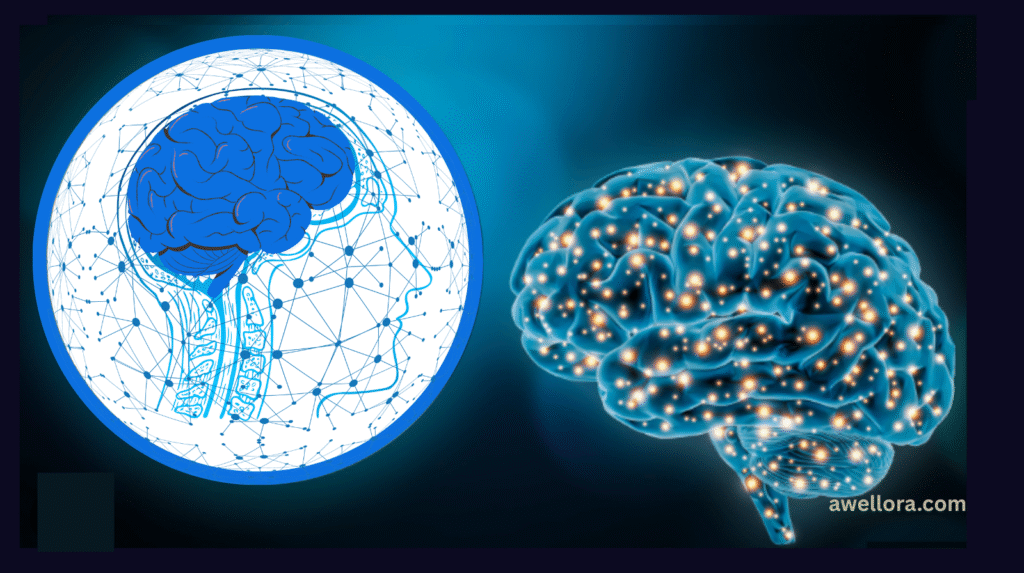
- Structural Neuroplasticity: Physical changes in the brain’s structure, such as growing new dendrites or strengthening synapses.
- Functional Neuroplasticity: When the brain reorganizes itself to compensate for injury or adapt to new skills.
- Experience-Dependent Plasticity: Neural changes resulting from learning and practicing new habits.
Research from the National Institutes of Health (NIH) indicates that even adults can grow new neural pathways through consistent mental exercises and mindfulness practices (source).
How Stress Affects the Brain
Chronic stress can shrink areas of the brain associated with memory and emotional regulation, such as the hippocampus. It can also over-activate the amygdala, the brain’s fear center, leading to heightened anxiety and emotional reactivity.
However, neuroplasticity offers hope: through deliberate mental practices, you can rewire your brain, reduce cortisol levels, and strengthen resilience against stress. Studies show that techniques like mindfulness meditation and positive thinking actively change neural structures to support mental well-being (Psychology Today).
Reprogram Your Mind for Stress-Free Living
Neuroplasticity works through repetition. What you practice daily becomes your brain’s default response. The following practices help parents build calmer, more resilient neural pathways.

1. Mindfulness and Meditation
Mindfulness trains the brain to stay present instead of reacting automatically. Studies show that regular meditation increases gray matter in areas linked to emotional regulation and self-control.
Simple practices for parents:
- Begin with 5 minutes of mindful breathing
- Focus on sensations rather than thoughts
- Practice during quiet moments — early morning or bedtime
Mindful parents respond with awareness, not impulse.
2. Gratitude and Positive Thought Patterns
The brain learns what it repeatedly focuses on. Gratitude strengthens neural pathways related to optimism and emotional stability.
- Write down three things you’re grateful for each day
- Notice small parenting wins, not just challenges
- Use gentle affirmations like: “I am learning. I am growing.”
These practices slowly rewire the brain away from stress-driven thinking.grateful for daily strengthens neural circuits associated with happiness.

Affirmations like “I am capable of handling challenges” activate positive neural pathways, gradually replacing stress-inducing thoughts with empowering beliefs.
- Try morning gratitude journaling.
- Repeat daily positive affirmations.
3. Physical Exercise and Brain Health
Movement supports neurogenesis — the creation of new neurons — especially in areas linked to mood and memory.
- Walking, yoga, or light stretching
- Combining movement with mindful breathing
- Even 10–15 minutes daily makes a difference
When the body relaxes, the brain follows
4. Continuous Learning and Cognitive Challenges
Learning new skills keeps the brain adaptable. For parents, this can be as simple as:
- Reading about emotional development
- Learning calming techniques
- Trying creative activities
Mental engagement strengthens resilience and flexibility in stressful moments.
Neuroplasticity and Emotional Resilience in Parenting
Emotional resilience is the ability to recover after emotional strain — something every parent needs.
With consistent practice:
- The prefrontal cortex strengthens, improving calm decision-making
- The amygdala becomes less reactive
- Emotional responses become more thoughtful and balanced
This is the foundation of emotionally secure and conscious parenting, where children feel safe because parents respond from awareness rather than overwhelm.
Real-Life Benefits for Parents
- Reduced anxiety and emotional burnout
- Better emotional regulation during conflicts
- Improved patience and empathy
- Greater confidence in parenting decisions
- A calmer home environment
Children absorb emotional safety through observation — calm parenting teaches calm living.
Simple Neuroplasticity Practices to Start Today
- Mindful Breathing: 5–10 minutes daily
- Gratitude Journaling: List 3 things each morning
- Positive Affirmations: Repeat empowering statements
- Learning Challenges: Puzzles, skills, or new hobbies
- Physical Activity: Yoga, walking, or cardio
Consistency is key — even small daily practices can lead to long-term changes in the brain.
Conclusion
The science of neuroplasticity reminds us that the brain is not fixed — and neither are our emotional patterns as parents. Stress does not define you, and reactivity is not permanent.
At Awellora, we believe that when parents gently retrain their minds with awareness and compassion, they create calmer homes, stronger emotional connections, and safer spaces for their children to grow.
Change doesn’t require perfection — only intention, patience, and small mindful steps taken consistently.