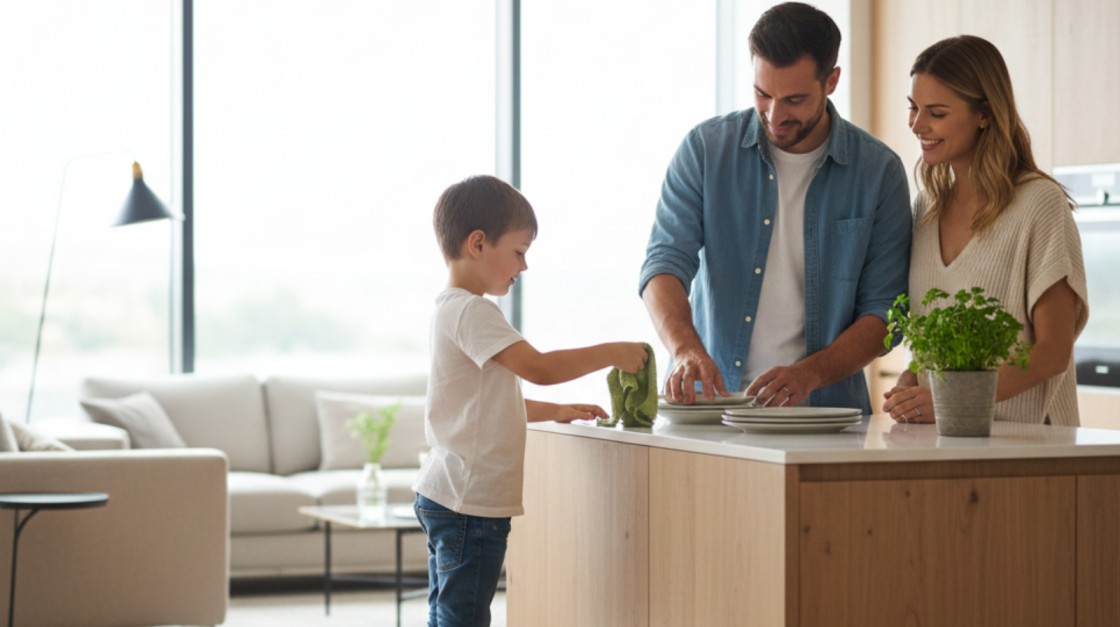
Teaching Life Skills at Home: Raising Emotionally Strong, Confident Children in Everyday Moments
Parenting often feels like a balancing act. Between school homework, screen time limits, daily routines, and our own work stress, it’s easy to feel that we are always running behind. Many parents quietly worry: Am I doing enough to prepare my child for real life?
Teaching life skills at home doesn’t require special courses, expensive toys, or perfect parenting. It happens in small, ordinary moments—during meals, disagreements, mistakes, and even silence. These everyday interactions shape how children understand emotions, relationships, and themselves.
When children learn life skills early, they don’t just become independent—they become emotionally aware, resilient, and confident in facing life’s ups and downs.
Why Life Skills Begin at Home, Not Outside

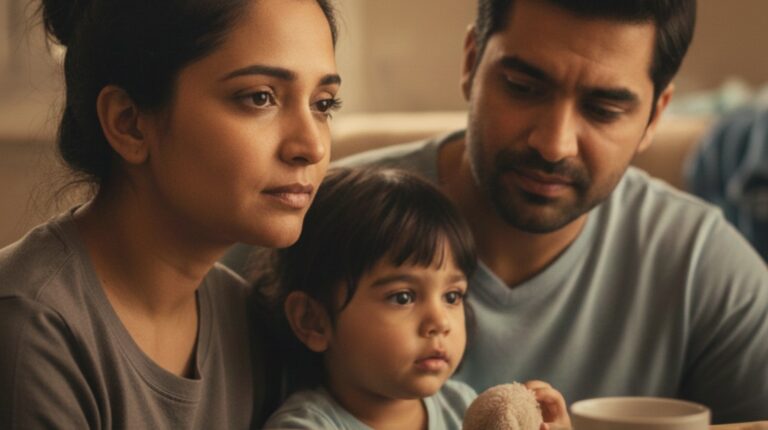
Children first learn how life works by watching their parents. Long before teachers, friends, or society step in, home becomes the emotional classroom. How parents respond to stress, conflict, and failure quietly teaches children what is “normal.”
For example, when a child spills something and hears shouting, they learn fear and self-doubt. When they see a calm response and problem-solving, they learn accountability without shame. These early lessons directly influence emotional wellbeing and mental health later in life.
Research in child psychology often highlights that emotional safety at home builds the foundation for self-esteem and decision-making. Parenting guidance resources frequently emphasise that children who feel heard and respected at home are better at handling peer pressure, stress, and challenges outside.
Teaching life skills at home is not about perfection. It’s about consistency, awareness, and emotional presence.
Helping Children Understand and Name Their Emotions
One of the most important life skills a child can learn is emotional awareness. Many adults struggle today because they were never taught how to recognise or express emotions in healthy ways.
When children throw tantrums, withdraw, or become irritable, it is often because they don’t yet have the language to express what they feel. Instead of labelling behaviour as “bad,” parents can gently guide children to identify emotions.
Simple phrases like, “You seem upset because your plan didn’t work” or “I can see you’re feeling disappointed” help children feel understood. Over time, this supports emotional intelligence and builds trust.
Child mental health studies often show that children who can name their emotions are better at self-regulation and less likely to suppress feelings. This becomes a strong base for building emotional resilience in children as they grow.
Teaching Responsibility Without Fear or Pressure
Responsibility is not about strict rules or constant reminders. It grows when children feel capable and trusted.
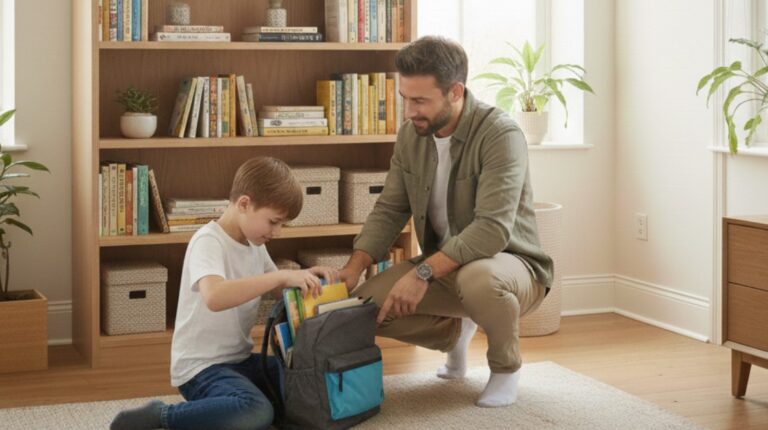
Small tasks like organising their school bag, helping in the kitchen, or managing pocket money teach children that they are contributors, not just dependents. Mistakes will happen—and that’s where learning truly begins.
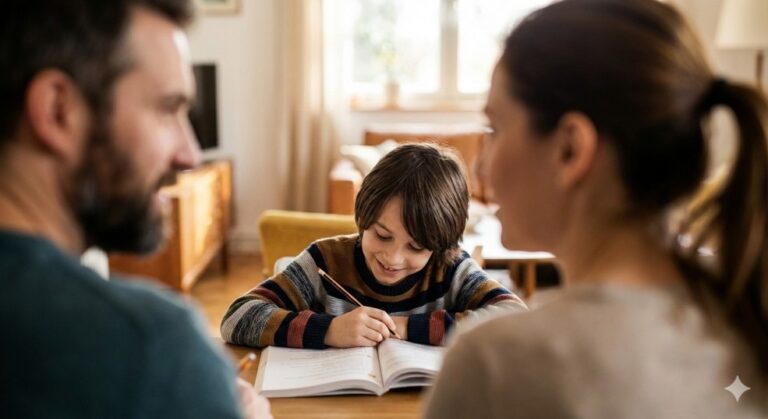
Instead of correcting everything, allow space for problem-solving. When a child forgets something, guide them to reflect rather than scold. This approach quietly supports child confidence and encourages independent thinking.
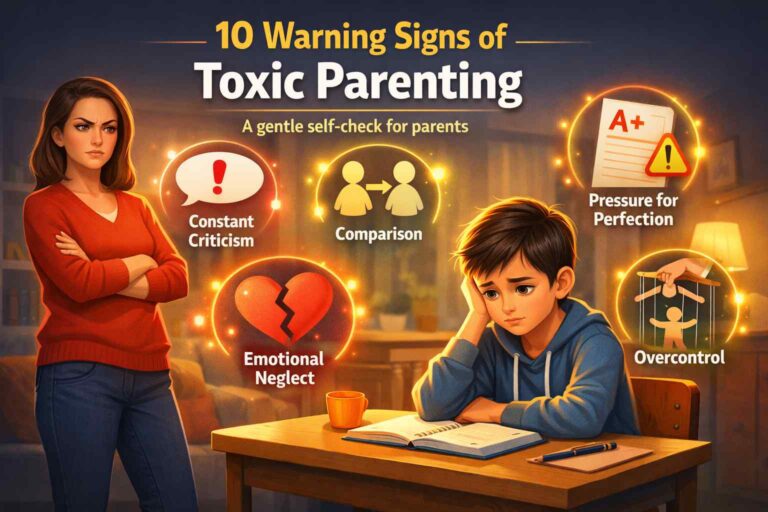
Parenting experts often suggest that responsibility taught with empathy leads to stronger self-worth, while responsibility taught with fear creates anxiety. The goal is growth, not control.
Normalising Failure as a Part of Learning
Many parents want to protect their children from failure, especially in academic or social settings. While the intention comes from love, avoiding failure can prevent children from developing resilience.
Helping children cope with failure means allowing them to experience disappointment while reassuring them that mistakes don’t define their worth. A poor exam result, losing a game, or being left out socially can become powerful learning moments when handled with emotional support.
Statements like, “It’s okay to feel sad; this doesn’t mean you’re not capable” teach children to separate outcomes from identity. This builds a healthy growth mindset and reduces fear of trying new things.
Educational psychology research consistently shows that children who view failure as feedback are more motivated and emotionally balanced in the long run.
Building Everyday Decision-Making Skills

Life constantly demands choices—big and small. Teaching children how to make decisions empowers them to trust themselves.
At home, decision-making can begin with simple options: choosing clothes, planning a weekend activity, or deciding how to spend time after school. These choices help children understand consequences in a safe environment.
When parents involve children in discussions rather than imposing decisions, it strengthens communication and mutual respect. This aligns naturally with positive parenting practices and encourages emotional maturity.
Decision-making skills also play a role in managing stress and anxiety in children, as they feel more in control of their lives.
Teaching Empathy Through Daily Interactions
Empathy isn’t taught through lectures; it is learned through observation and experience. How parents treat others—house help, relatives, strangers, and even themselves—becomes a silent lesson.
When conflicts arise at home, resolving them respectfully teaches children how to handle disagreements without aggression or withdrawal. Encouraging children to consider how others feel helps them develop compassion and social awareness.
Family wellness experts often highlight that empathy learned early supports stronger relationships, emotional wellbeing, and mental health across all stages of life.
Creating a Home That Feels Emotionally Safe
An emotionally safe home is one where children don’t fear being judged for their feelings. It doesn’t mean there are no rules—it means emotions are respected even when behaviour is corrected.
Listening without interrupting, validating feelings before offering solutions, and apologising when parents make mistakes all contribute to emotional safety. These moments show children that vulnerability is strength, not weakness.
Mental health professionals often stress that emotionally safe environments reduce anxiety and improve long-term psychological wellbeing for both children and parents.
Balancing Guidance With Emotional Availability
Parents today juggle work-life balance, responsibilities, and constant information overload. It’s natural to feel exhausted. Yet, even small moments of emotional presence matter.
Ten minutes of undivided attention, honest conversations, or shared routines can deeply impact a child’s sense of belonging. Supporting child confidence doesn’t require constant availability—it requires meaningful connection.
When parents care for their own mental health, children benefit too. Family wellbeing is interconnected, and modelling self-care teaches children lifelong emotional habits.
Teaching Life Skills Is a Journey, Not a Checklist
Every child is different. Some learn quickly through observation, others through experience. Teaching life skills at home is not about ticking boxes—it’s about walking alongside your child as they grow.
There will be days of doubt, frustration, and self-questioning. That doesn’t mean you’re failing. It means you’re parenting with awareness.
At awellora… we believe that mindful parenting begins with emotional understanding, patience, and balance. Teaching life skills at home is less about raising “perfect” children and more about raising emotionally healthy humans who feel supported, capable, and valued. You are not alone in this journey. With small, intentional steps, every home can become a space where children—and parents—grow together with confidence, resilience, and emotional wellbeing.