
Signs of Emotional Stress in Children
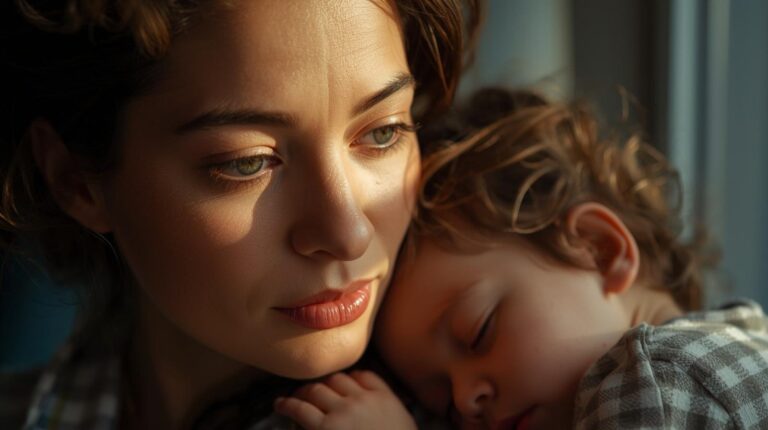
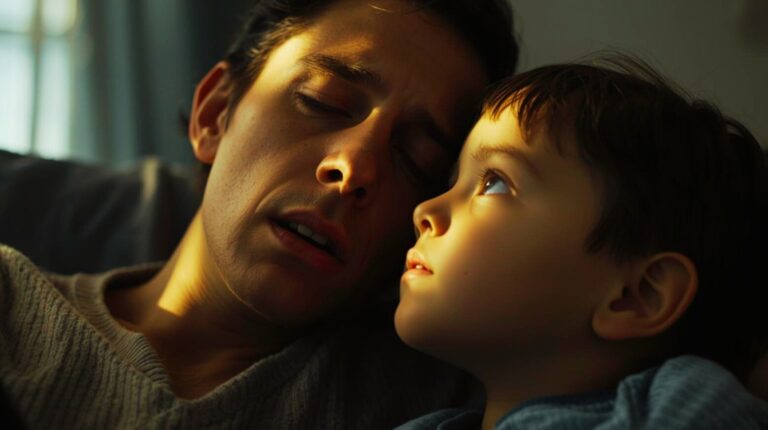
Children experience emotions just as deeply as adults, but they often lack the language to explain what they are feeling. Emotional stress in children does not always appear as sadness or crying. Many times, it shows up quietly through behavior, habits, or physical complaints. For parents, understanding these signs early can make a huge difference in a child’s emotional growth and sense of safety. This article on awellora.com is written to help parents gently recognize emotional stress in children and respond with awareness, patience, and care.
Sudden Emotional Ups and Downs
When children are emotionally stressed, their feelings may change very quickly. A child may laugh one moment and become upset the next without a clear reason. These emotional ups and downs often indicate that the child is feeling overwhelmed inside. Instead of seeing this as misbehavior, parents can view it as a signal for emotional support. Recognizing such patterns helps strengthen child emotional wellbeing, allowing parents to focus on connection rather than control.
Frequent Complaints of Body Pain
Emotional stress often travels through the body in children. Regular complaints like stomach pain, headaches, nausea, or feeling tired—especially before school or social situations—can be signs of emotional pressure. When no medical reason is found, emotional stress may be the cause. Research discussed in mind-body connection in children explains how emotions directly affect physical health, especially in growing children.
Disturbed Sleep and Nighttime Fears
Sleep problems are a common sign of emotional stress in children. Difficulty falling asleep, frequent waking, nightmares, or fear of sleeping alone can indicate that a child’s mind is struggling to relax. Stress keeps the nervous system alert, making deep rest difficult. Supporting calm bedtime routines helps improve emotional regulation in children and restores their sense of safety.
Loss of Interest in Favorite Activities
When a child suddenly stops enjoying activities they once loved—such as playing, drawing, or spending time with friends—it may reflect emotional exhaustion. Stress can drain a child’s energy and motivation. This change is often linked to early signs of childhood anxiety, which becomes easier to manage when noticed early.
Increased Clinginess and Separation Fear

Children under emotional stress may become more attached to parents or caregivers. They may resist going to school, fear being alone, or constantly seek reassurance. This behavior reflects a need for emotional security, not weakness. Responding calmly helps build secure attachment in parenting, which supports long-term emotional resilience.
Regression in Everyday Skills
Stress can cause children to temporarily return to earlier behaviors, such as bedwetting, thumb-sucking, baby talk, or needing extra help with simple tasks. This regression is a coping mechanism, helping the child feel safe again. Studies shared in child development and stress research show that such behavior is often a normal response to emotional overload.
Difficulty Focusing and Learning
A stressed child may struggle to concentrate, forget instructions, or lose interest in schoolwork. Emotional stress occupies mental space, leaving less energy for learning. This is often misunderstood as laziness or lack of effort. Understanding this connection supports mental health and learning in children, helping parents and teachers respond with empathy.
Strong Emotional Reactions to Small Issues
Children experiencing emotional stress may react very strongly to minor problems. Small disappointments can lead to tears, anger, or emotional shutdown. These reactions happen because the child’s emotional capacity is already stretched. Parenting experts highlight through emotional support in parenting that calm responses from adults help children regain balance.
Social Withdrawal and Silence
Some children respond to emotional stress by withdrawing from family conversations or avoiding friends. They may spend more time alone or show less interest in social interaction. This withdrawal is often a sign that the child does not feel emotionally safe expressing their feelings. Gentle conversations encourage positive parent-child communication and help children slowly open up.
Changes in Eating Habits
Emotional stress can also affect appetite. Some children may eat very little, while others may eat more for comfort. Sudden changes in eating habits, without physical illness, can signal emotional imbalance. Understanding this behavior supports healthy routines for children, focusing on emotional needs rather than pressure.
How Parents Can Respond Gently
The first step is observation without judgment. Instead of reacting immediately, parents can watch patterns, listen patiently, and create moments of calm connection. Simple routines, emotional reassurance, and predictable schedules help children feel safe again. This approach aligns with gentle parenting practices, which focus on healing emotions rather than suppressing them.
Final Thought
At Awellora, we believe that children’s emotional stress is not a weakness but a message waiting to be understood. When parents learn to notice small emotional signals with patience and compassion, children feel seen, heard, and supported. By creating emotionally safe spaces at home, families nurture not only happier childhoods but also emotionally strong adults for the future.