Screen Time for Kids: Healthy Limits by Age
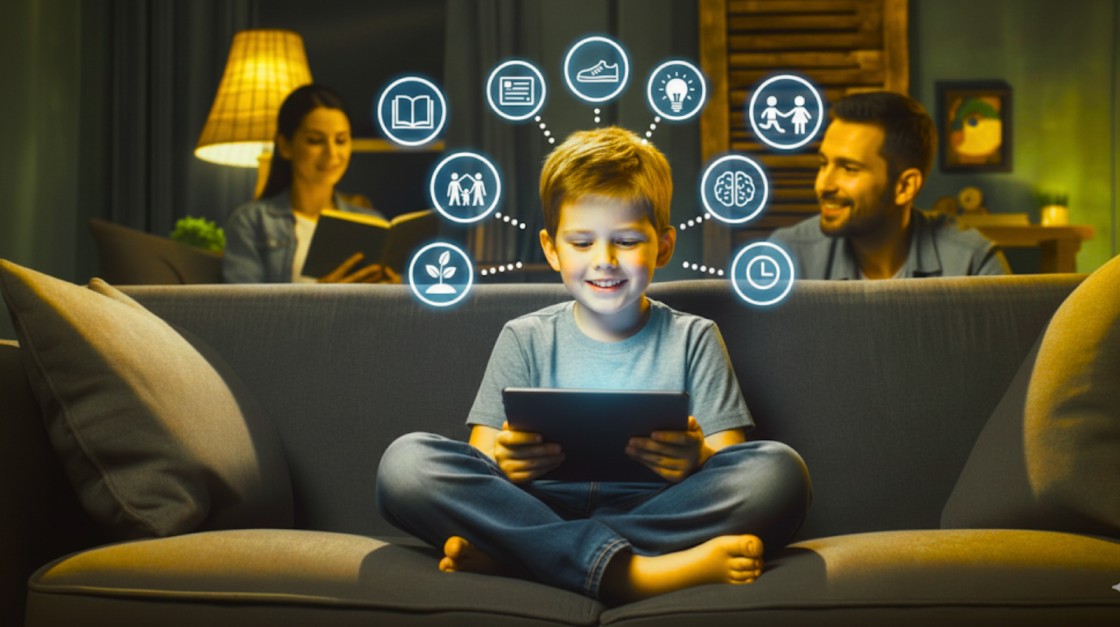
In a world where screens are part of daily life, parenting has quietly changed. Screens are no longer optional — they are everywhere: learning apps, online classes, cartoons, games, and social media. For parents, the real concern is not eliminating screens, but understanding how much screen time is healthy at each stage of childhood.
When used without balance, screens can affect sleep, attention, emotional regulation, and family connection. When used mindfully, they can support learning, creativity, and communication. The key lies in age-appropriate limits, guidance, and intention.
Why Screen Time Needs Healthy Limits
Children’s brains are still developing, and digital exposure shapes how they think, feel, and respond to the world. Unlike adults, children are more sensitive to stimulation, fast visuals, and constant engagement. Without boundaries, screens can slowly replace movement, imagination, and human interaction. When screen use becomes constant and unstructured, children may experience popcorn brain — a state of mental overstimulation that affects attention, patience, and emotional regulation.
Healthy limits are not about fear or control — they are about protecting emotional well-being while allowing healthy digital growth.
- Supports better sleep and daily routines
- Encourages physical activity and real-world play
- Improves emotional regulation and focus
- Reduces screen dependency and tantrums
- Strengthens family connection and communication
0–18 Months: Avoid Screens as Much as Possible
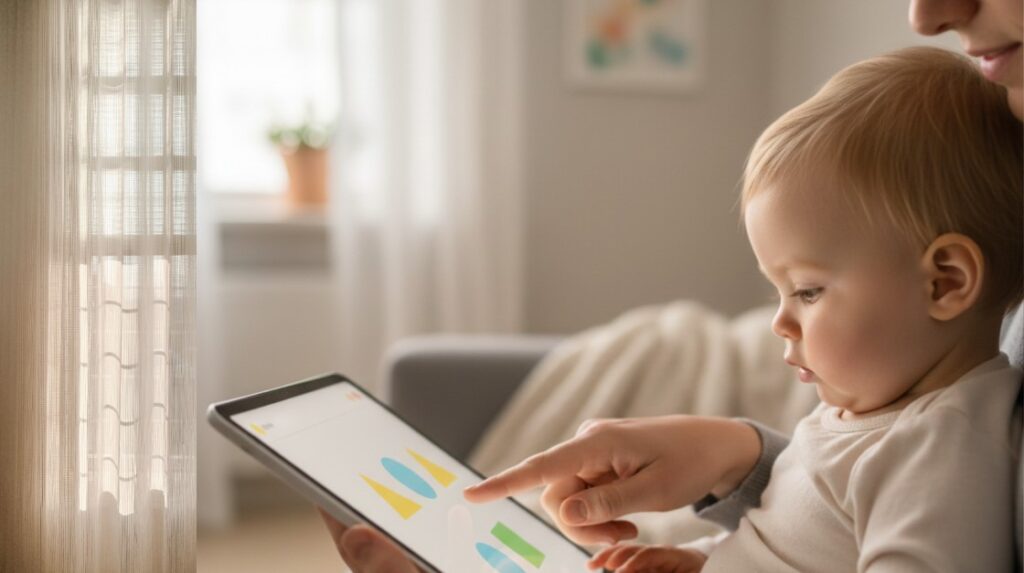
During the first year and a half of life, a child’s brain develops rapidly through real human interaction. Facial expressions, touch, voice tone, and movement are essential for emotional and cognitive growth. Screens cannot provide the depth of learning that a caregiver’s presence does.
At this stage, even background screen exposure can reduce meaningful interaction between parents and babies.
- Avoid screen use completely, except for video calls with family
- Focus on talking, singing, and face-to-face play
- Encourage sensory activities like touch, sound, and movement
- Build strong emotional bonding through presence, not devices
18 Months – 2 Years: Limited and Always Guided

Toddlers are curious and absorb everything they see and hear. At this age, screens should never replace interaction but may be used occasionally and intentionally, always with a parent present. The goal is not entertainment, but shared understanding.
Watching together helps children connect visuals with language and emotions.
- Limit screen time to under 30 minutes a day
- Choose slow-paced, high-quality educational content
- Sit with your child and talk about what they see
- Avoid using screens to calm tantrums or distract emotions
2 – 5 Years: One Hour with Purpose
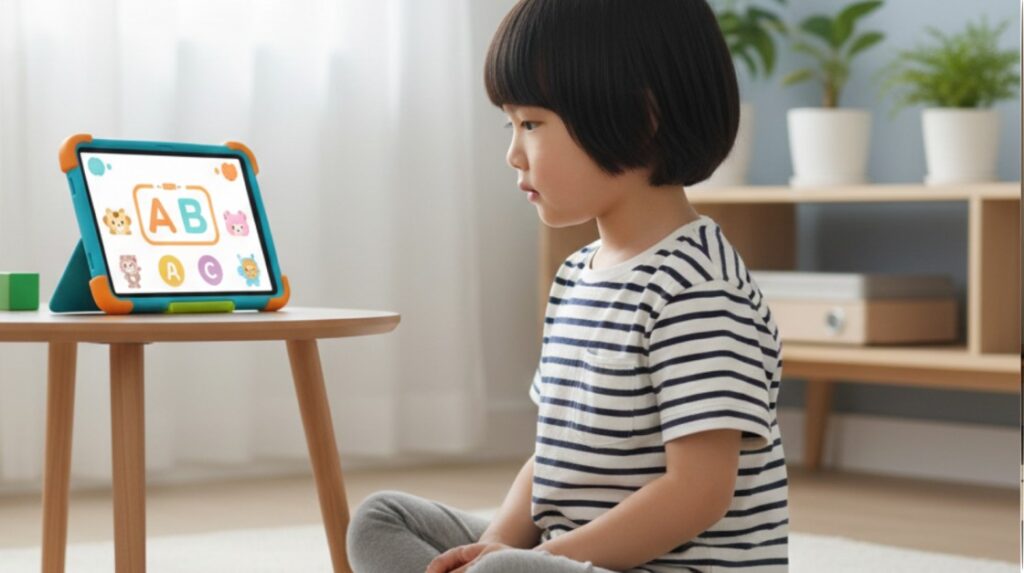
Preschool years are crucial for developing imagination, social skills, and attention span. Children learn best through play, storytelling, and movement. Excessive screen use during this stage can reduce curiosity and shorten focus.
Screen time should be planned, predictable, and balanced with active play.
- Limit screen time to a maximum of 1 hour per day
- Avoid screens before bedtime to protect sleep quality
- Encourage creative play, drawing, and outdoor activities
- Watch for behavioral changes after screen exposure
6 – 12 Years: Boundaries Matter More Than Minutes
As children enter school age, screens become part of education and social interaction. However, unstructured or excessive use can affect concentration, posture, eyesight, and emotional health. Clear rules help children feel secure and guided.

Consistency matters more than strict control.
- Limit recreational screen time to 1–2 hours daily
- Keep screens out of bedrooms, especially at night
- Establish screen-free meals and family time
- Encourage hobbies that don’t involve devices
13 – 18 Years: Teaching Balance, Not Bans

Teenagers rely on screens for connection, identity, and learning. Instead of strict time limits alone, this stage requires open communication and trust-based guidance. Teens benefit more from understanding why limits exist rather than being forced to follow them.
Digital awareness is as important as time management.
- Encourage regular breaks from screens
- Discuss social media, comparison, and mental health
- Protect sleep by limiting late-night screen use
- Support offline friendships and personal interests
Signs Your Child May Need Less Screen Time
Children often express digital overload through behavior rather than words. Paying attention to subtle changes can help parents adjust habits early, without conflict or guilt.
- Increased irritability or frequent meltdowns
- Trouble sleeping or restlessness at night
- Loss of interest in offline activities
- Difficulty focusing or increased aggression
- Eye strain, headaches, or fatigue
Simple Screen Time Tips for Everyday Parenting
Healthy screen habits don’t require perfection — they require consistency and compassion. Small daily choices make a big difference over time.
- Follow routines instead of daily negotiations
- Model healthy screen behavior as adults
- Use screen-free zones in the home
- Avoid using screens as emotional rewards
- Choose intentional content instead of autoplay
At awellora.com, We Believe…
At awellora.com, we believe that parenting in the digital age is not about strict rules or guilt — it is about mindful balance, emotional safety, and conscious choices.
Children don’t need zero screens. They need guidance, boundaries, and human connection. When screens are used with intention — not as replacements for presence — they can coexist with healthy growth, strong emotions, and meaningful family bonds.
Healthy screen habits today build emotionally resilient, focused, and balanced children for tomorrow
FAQs
1. Should screen time be completely avoided for toddlers?
Not completely, but it should be very limited and always guided. For toddlers, screens should be used occasionally and with a parent present. Human interaction, play, and conversation remain far more important for development at this stage.
2. What are the signs that my child is getting too much screen time?
Common signs include irritability when screens are removed, trouble sleeping, reduced interest in offline play, difficulty focusing, and emotional outbursts. These signs suggest it may be time to gently reduce screen use and increase real-world activities.
3. Is screen time during online classes counted in daily limits?
Educational screen use for school is usually considered separately from recreational screen time. However, children still need breaks, movement, and offline time after classes to avoid digital fatigue and eye strain.
4. How can parents reduce screen time without causing conflicts?
Gradual changes work better than sudden bans. Setting routines, offering alternatives, and staying consistent helps reduce resistance. Explaining why limits exist builds cooperation and trust rather than power struggles.
5. Should children have screens in their bedrooms?
It’s best to avoid screens in bedrooms, especially at night. Keeping devices outside helps protect sleep, reduces late-night usage, and encourages healthier routines.
6. Can too much screen time affect my child’s sleep?
Yes. Excessive screen use, especially before bedtime, can interfere with natural sleep cycles. The light and stimulation from screens make it harder for children to relax and fall asleep. Creating a screen-free period before bedtime helps improve sleep quality.