
Parenting Mistakes Parents Should Avoid
Parenting is deeply rooted in love, values, and tradition. Most parents genuinely want the best for their children. However, many parenting practices that were considered “normal” earlier can unintentionally affect a child’s emotional wellbeing today.
In a fast-changing world, children need not only discipline and success but also emotional safety, confidence, and understanding. Let’s explore some common parenting mistakes parents should avoid — and how small changes can create a healthier parent-child relationship.
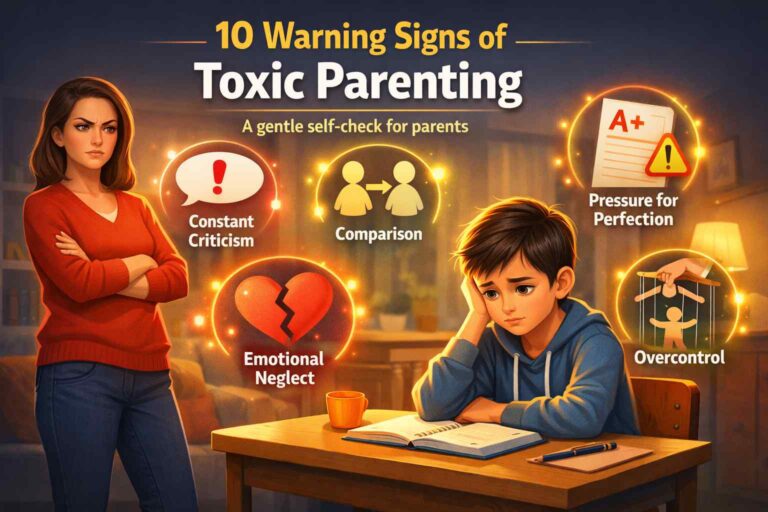
Comparing Children with Others
The mistake:
Comparing children with siblings, cousins, neighbors, or classmates — especially regarding marks, behavior, or achievements.
Why it’s harmful:
Comparison creates self-doubt, jealousy, and low self-esteem. Children start believing they are “not enough,” even when they are trying their best.
What to do instead:
Focus on your child’s individual progress. Appreciate effort, improvement, and strengths rather than ranking them against others.
👉 Every child grows at their own pace.
Overemphasis on Marks and Academic Success
The mistake:
Equating success only with high marks, degrees, or competitive exams.
Why it’s harmful:
Children may develop fear of failure, anxiety, and burnout. They may hide mistakes instead of learning from them.
What to do instead:
Encourage learning, curiosity, and skills. Teach children that mistakes are part of growth, not something to fear.
Ignoring Emotional Expression
The mistake:
Statements like “Don’t cry,” “Be strong,” or “This is nothing to feel sad about.”
Why it’s harmful:
Suppressing emotions teaches children that feelings are wrong or weak. This can lead to emotional confusion later in life.
What to do instead:
Allow children to express emotions freely. Help them name feelings and guide them calmly through emotional moments.
Using Fear or Harsh Discipline
The mistake:
Yelling, threatening, or using fear to control behavior.
Why it’s harmful:
Fear-based discipline may bring short-term obedience but damages trust, confidence, and communication.
What to do instead:
Use calm discipline, clear boundaries, and consistent consequences. Discipline should teach, not intimidate.
Lack of Quality Time
The mistake:
Assuming that providing food, education, and facilities is enough — without emotional presence.
Why it’s harmful:
Children may feel emotionally disconnected even in well-provided homes.
What to do instead:
Spend small but meaningful time together — talking, listening, playing, or simply being present without distractions.
What to do instead:
Set clear, age-appropriate rules and apply them consistently with empathy.
Overprotecting Children

The mistake:
Doing everything for children or shielding them from every challenge.
Why it’s harmful:
Overprotected children may struggle with independence, decision-making, and problem-solving later.
What to do instead:
Let children try, fail, and learn. Support them without controlling every step.
Not Listening to Children’s Opinions
The mistake:
Dismissing children’s thoughts with “You’re too young to understand.”
Why it’s harmful:
Children may stop sharing their thoughts and emotions, leading to communication gaps.
What to do instead:
Listen respectfully. Even if you don’t agree, acknowledge their feelings and perspective.
Projecting Unfulfilled Dreams onto Children
The mistake:
Pushing children to fulfill parents’ unrealized ambitions.
Why it’s harmful:
Children may feel trapped and disconnected from their true interests and identity.
What to do instead:
Guide children based on their talents and interests, not your past regrets.
Inconsistent Parenting Rules
The mistake:
Changing rules based on mood or situation.
Why it’s harmful:
Inconsistency confuses children and weakens discipline.
Forgetting to Care for Yourself as a Parent
The mistake:
Ignoring parental self-care and emotional health.
Why it’s harmful:
Stressed, exhausted parents unintentionally pass stress to children.
What to do instead:
Practice small daily self-care habits. A calm parent creates a calm home.
Parenting is not about perfection — it’s about awareness, growth, and connection. Avoiding these common mistakes doesn’t mean changing everything overnight. Even small shifts in mindset and behavior can create a big difference in your child’s emotional and mental wellbeing.
Emotionally safe homes raise emotionally strong children.