
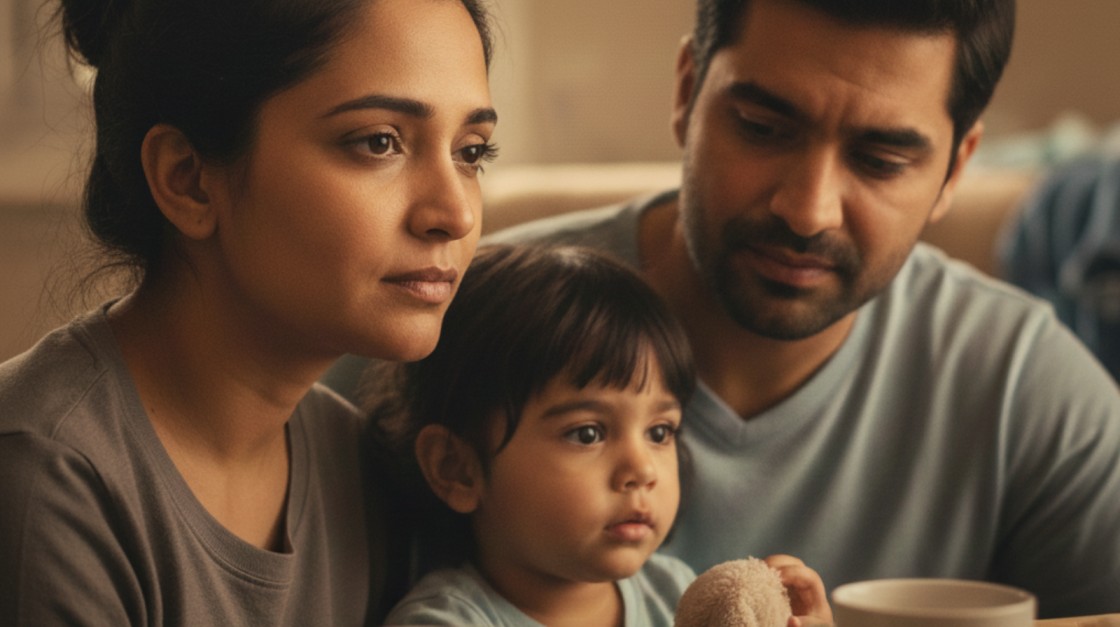
Mental Wellness Tips Every Parent Needs
Why Many Parents Feel Mentally Exhausted Without Realizing It
Many parents believe stress is just “part of parenting.” Between work, children, responsibilities, and expectations, mental exhaustion slowly becomes normal. Parents keep going without noticing how tired their minds actually are.
Mental wellness is not only about avoiding breakdowns—it is about staying emotionally stable, patient, and connected. When parents ignore their mental health, small issues turn into emotional distance, irritability, and constant guilt. Recognizing mental fatigue early is the first step toward healing.
Start With Emotional Awareness, Not Self-Criticism
Parents often judge themselves harshly for feeling overwhelmed. But emotional awareness works better than self-blame. Instead of asking “Why am I failing?”, ask “What is my mind trying to tell me?”
Noticing patterns—like constant irritation, sadness, or numbness—helps parents respond with care. Emotional awareness builds self-compassion, which is one of the strongest foundations of mental wellness.
Protect Your Mind From Constant Digital Noise
Phones, notifications, and endless scrolling quietly drain mental energy. Even when parents are physically present, digital overload keeps the mind restless. This creates emotional unavailability without intention.
Creating small digital breaks—like keeping phones away during meals or before bedtime—helps the mind slow down. These moments of quiet restore emotional balance and improve focus on children and self.
Create Micro-Moments of Rest Instead of Waiting for Free Time
Many parents wait for “free time” to relax—but free time rarely comes. Mental wellness improves when parents create micro-rest moments throughout the day.
Simple actions like deep breathing, stepping outside for two minutes, or sitting quietly without screens can reset the nervous system. These small pauses prevent emotional overload and reduce anxiety over time.
Let Go of the Pressure to Be Emotionally Perfect
Parents often feel they must stay calm, patient, and positive at all times. This unrealistic pressure increases emotional stress. Children do not need perfect parents—they need emotionally honest ones.
It is okay to say, “I’m feeling tired today,” or “I need a moment.” This teaches children emotional intelligence and healthy expression. Mental wellness grows when parents allow themselves to be human.
Strengthen Your Mind Through Simple Daily Routines
Mental stability comes from consistency, not intensity. Simple routines—like regular sleep, balanced meals, light movement, and daily reflection—build emotional strength over time.
When routines support the mind, parents feel more in control and less reactive. These habits create emotional safety for both parents and children.
Talk About Feelings Without Turning Them Into Problems
Many parents either suppress emotions or over-explain them. Mental wellness improves when feelings are acknowledged without overanalyzing.
Saying things like, “That sounds hard,” or “I understand why you feel this way,” builds emotional trust. This approach supports children’s mental health while reducing parental emotional burden.
Seek Support Before Burnout, Not After
Asking for help is often delayed until exhaustion becomes severe. Mental wellness is easier to maintain when support is taken early—whether from family, friends, professionals, or trusted resources.
Studies in parent mental health research show that early emotional support helps parents prevent long-term stress and burnout.
Support does not mean weakness. It means sustainability. Parents who feel supported are calmer, more present, and emotionally healthier.
Teaching Children Mental Wellness by Living It
Children learn mental habits by watching parents. When parents rest, communicate calmly, and care for their minds, children absorb those behaviors naturally.
Mental wellness is not a lesson—it is a lived experience. A peaceful parent creates a peaceful home environment without saying much at all.
At Awellora, We Believe Mental Wellness Is a Daily Practice
At Awellora, we believe mental wellness is not a luxury—it is a daily necessity for parents. We support realistic habits, emotional honesty, and compassionate routines that fit real lives. When parents care for their minds, families grow stronger, calmer, and more connected. Our goal is to help parents feel supported, understood, and emotionally balanced—one mindful step at a time.