

How to Stop Overthinking and Calm Your Mind?
Why We Can’t Stop Thinking So Much
Do you ever find yourself replaying the same thought again and again—analysing every word, every action, every decision?
That’s overthinking: a mental loop that quietly drains your energy, fuels anxiety, and slowly steals your inner peace. It doesn’t mean something is wrong with you. In fact, overthinking often comes from caring deeply—about outcomes, relationships, and responsibilities.
Learning how to stop overthinking and calm your mind isn’t about “thinking less.” It’s about understanding your thoughts and learning how to respond to them with awareness, instead of being controlled by them.
(You may also find it helpful to explore our guide on rebuilding self-trust and inner confidence, as overthinking and self-doubt often go hand in hand.)
What Is Overthinking?
Overthinking is the habit of dwelling excessively on thoughts, worries, or possible outcomes. It usually begins as an attempt to avoid mistakes or stay prepared—but quickly turns into a cycle of self-doubt, mental fatigue, and emotional overwhelm.
According to psychological research, chronic overthinking is closely linked to anxiety, disturbed sleep, and lowered self-esteem.
Common signs of overthinking include:
- Replaying past mistakes repeatedly
- Constant “what if” thinking about the future
- Difficulty making decisions
- Seeking reassurance again and again
Overthinkers don’t struggle because they are weak. They struggle because they care deeply, feel responsible, and want to do things right.
Why Do We Overthink?
There are a few core reasons why the mind gets stuck in repetitive thinking:
1. Fear of Failure
The mind tries to control every detail to prevent mistakes, even when control is impossible.
2. Insecurity and Self-Doubt
When self-trust is low, every decision feels risky and heavy.
3. Perfectionism
The belief that everything must be “right” before acting creates mental paralysis.
On a biological level, the brain’s threat system (the amygdala) can become overactive, creating a sense of danger even when you are safe. This is why the mind keeps worrying—even when nothing is actually wrong.
Understanding this helps replace self-criticism with self-compassion.
Why Parents Tend to Overthink More
Adults carrying emotional responsibility—especially parents—often overthink more than others. Decisions no longer feel personal; they feel consequential.
Parents frequently worry about:
- Making the “right” choices for their child
- Saying or doing the wrong thing emotionally
- Long-term impact of everyday decisions
This mental load builds quietly. Learning to manage overthinking doesn’t just help the individual—it creates a calmer emotional environment for the entire family.
How to Stop Overthinking and Calm Your Mind
Below are practical, research-supported ways to quiet mental noise and regain clarity.
1. Become Aware of Your Thoughts
You can’t change what you don’t notice. Start by observing your thoughts without judging them.
When a thought appears, gently label it:
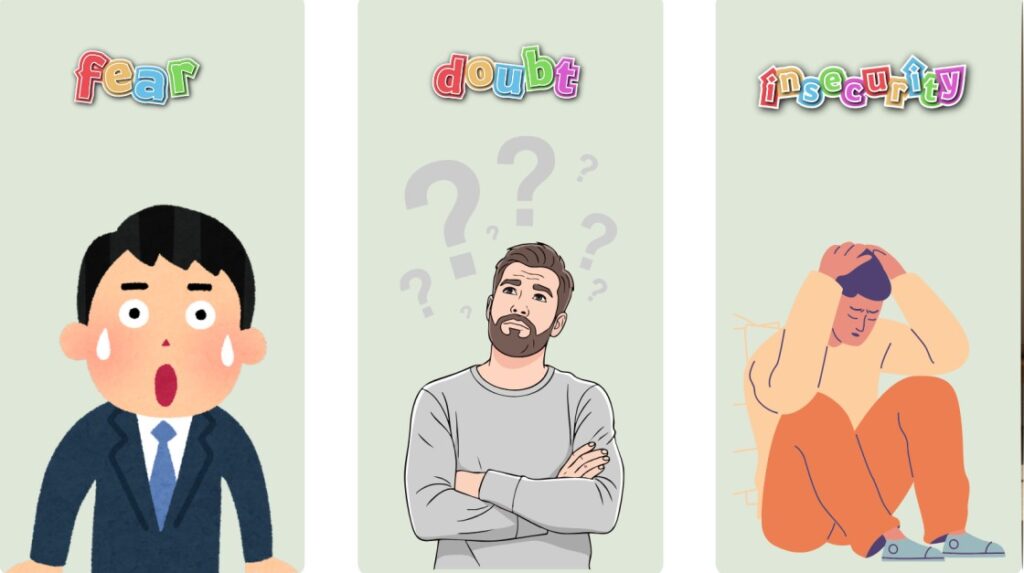
- “This is fear.”
- “This is doubt.”
- “This is insecurity.”
This simple act activates the rational part of the brain and reduces emotional intensity.
2. Practice Deep Breathing and Meditation
Breathing directly calms the nervous system.
Try this:
- Inhale for 4 seconds
- Hold for 4 seconds
- Exhale for 6 seconds
Repeat for 3–5 minutes. This signals safety to the brain and interrupts anxious thought loops.
3. Write It Out: Journal Your Thoughts
Writing brings thoughts out of the mind and onto paper—where they lose power.
Journaling helps you:
- Identify recurring worries
- Challenge irrational fears
- Gain clarity before reacting
At night, write your top three worries and one small step for each. This shifts the brain from rumination to problem-solving.
4. Limit “What If” Thinking
Overthinking thrives on imagined scenarios.
Instead of asking:
“What’s the worst that could happen?”
Ask:
“What’s the most realistic outcome?”
This trains the brain to focus on probability, not fear.
5. Set Boundaries with Your Mind
Just as you set boundaries with people, you can set them with thoughts.
Designate a daily “worry window” (10–15 minutes). When worries arise outside this time, gently postpone them. This technique helps you regain control without suppression.
6. Care for the Body to Calm the Mind
Mental clarity depends on physical wellbeing.
- Sleep 7–8 hours
- Eat balanced meals
- Move regularly (walking, yoga, stretching)
When the body relaxes, the mind follows.
7. Challenge Negative Self-Talk
Your inner language shapes your emotional reality.
Reframe gently:
- “I’ll fail” → “I’ll learn”
- “I’m not enough” → “I’m growing”
This builds emotional resilience over time.
8. Practice Self-Kindness
Overthinkers are often their own harshest critics. Treat yourself as you would a close friend—with patience and understanding.
The goal is not to stop thinking—but to think more gently.
9. Use Action to Interrupt Overthinking
Action breaks mental loops.
When thoughts spiral:
- Take a short walk
- Do a simple task
- Organise something small
Movement signals control and safety to the brain.
10. Seek Support When Needed
If overthinking becomes chronic anxiety, professional support can help. Therapies like Cognitive Behavioural Therapy (CBT) are effective in breaking obsessive thought patterns.
Seeking help is not weakness—it’s wisdom.
Simple Ways to Calm Your Mind Daily
- Practice mindful breathing during stress
- Keep a gratitude journal
- Reduce screen time before sleep
- Spend time in nature
- Sit in silence for a few minutes each day
Even brief moments of calm can reset emotional balance.
The Link Between Mental Calm and Emotional Parenting
Learning to manage overthinking is closely connected to positive parenting and emotional wellbeing. Children often absorb the emotional patterns of the adults around them. When parents learn to respond instead of react, the entire household benefits.
Conclusion
Learning how to stop overthinking and calm your mind is not about suppressing thoughts—it’s about changing your relationship with them.
Your mind will always think. Peace comes from choosing which thoughts deserve your energy. With awareness, patience, and practice, clarity emerges not through control, but through calm presence.
At Awellora, we believe emotional wellbeing begins with gentleness—toward your mind, your emotions, and yourself. Small, compassionate steps taken daily can quietly transform how you think, feel, and live.