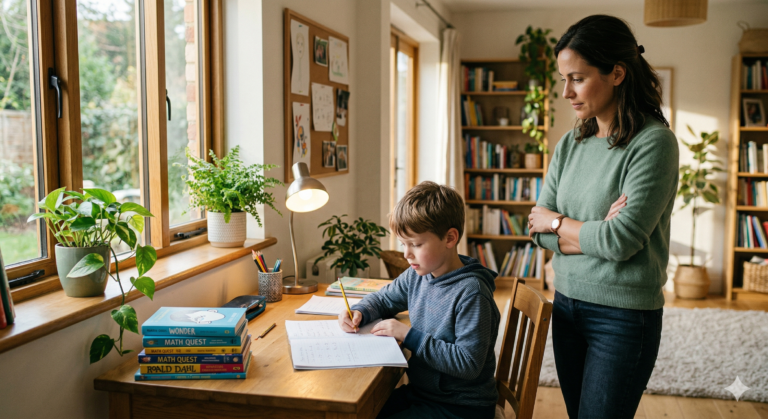

How to Build Strong Parent–Child Bonding
In today’s fast-moving world, parents often feel that they are doing everything for their children—providing food, education, safety, and opportunities. Yet many parents still feel emotionally distant from their children. Strong parent–child bonding is not created by doing more, but by being more present, understanding, and emotionally available.
A strong bond helps children feel secure, confident, and emotionally healthy. It also helps parents understand their child better, reducing conflicts and misunderstandings at home. Let’s explore practical and realistic ways to build a deep and lasting connection with your child.
Understanding Emotional Connection Beyond Daily Routines

Many parents believe that spending the whole day around their child automatically creates bonding. But emotional connection is not about physical presence alone; it is about emotional availability. When children feel that their emotions are heard, respected, and valued, bonding naturally grows.
Children often express their feelings through behavior—silence, anger, excitement, or withdrawal. Parents who understand child emotional development are better able to respond calmly rather than react harshly. When parents acknowledge emotions instead of dismissing them, children feel safe opening up.
This is where awareness about parent mental health becomes important, because emotionally exhausted parents often struggle to connect deeply. Taking care of your emotional well-being directly impacts your relationship with your child.
Research on parent-child relationships research shows that when parents respond warmly and consistently to a child’s emotions and actions, it strengthens the child’s brain development and builds a lifelong foundation of trust and emotional security
Creating Daily Moments That Build Trust Naturally
Bonding does not need special trips or expensive activities. It grows through small daily moments—talking during meals, listening to school stories, or sharing thoughts before bedtime. These moments send a powerful message to the child: “You matter to me.”
When parents consistently show interest without judgment, children develop trust. Trust becomes the foundation of open communication, especially during teenage years. Simple habits like asking open-ended questions or sharing your own childhood experiences help children feel emotionally equal, not controlled.
Reducing screen time for kids by age during these moments can significantly improve connection. Even 15 minutes of distraction-free interaction daily can make a huge difference in long-term bonding.
Listening Without Correcting or Interrupting
One of the biggest barriers to strong bonding is the habit of correcting children while they are expressing themselves. Many children stop sharing because they fear lectures, comparisons, or punishment.
Active listening means allowing your child to finish their thoughts without interruption. It means responding with empathy rather than advice every time. When parents practice positive parenting techniques, children feel respected and emotionally understood.
Over time, this habit strengthens emotional security and encourages children to come to parents during difficult situations rather than hiding problems.
Showing Love in Ways Children Actually Feel It

Parents express love differently—through discipline, responsibility, or sacrifice. But children feel love through attention, affection, appreciation, and acceptance. Understanding your child’s emotional needs helps bridge this gap.
Some children feel loved through words, others through physical affection, and some through quality time. Observing your child’s reactions helps parents adjust their expressions of love. This understanding supports healthy child psychology and behavior and prevents emotional disconnect.
When love is expressed in a way children understand, bonding becomes effortless and natural.
Handling Conflicts Without Damaging the Bond
Conflicts are a normal part of parenting, but how they are handled decides whether the bond strengthens or weakens. Yelling, shaming, or silent treatment creates emotional distance, even if intentions are good.
Calm communication during disagreements teaches children emotional regulation. Explaining rules instead of enforcing fear helps children understand boundaries without resentment. Parents who focus on connection before correction raise emotionally strong children.
Learning healthy discipline strategies helps parents guide behavior while preserving trust and emotional closeness.
Spending One-on-One Time Without Pressure
Group family time is valuable, but one-on-one time is powerful. It gives children a sense of individuality and importance. Even short individual moments—walking together, cooking, or talking—build emotional closeness.
This dedicated time helps children open up about thoughts they may not share in front of others. It also helps parents notice emotional changes early, supporting better parent–child communication skills.
Children who receive individual attention feel valued and less likely to seek validation elsewhere.
Supporting Children During Emotional Struggles
Children experience stress, fear, jealousy, and confusion just like adults, but they lack the words to explain it. Parents who validate emotions instead of minimizing them help children build emotional resilience.
Saying things like “I understand you’re upset” instead of “It’s nothing” teaches emotional awareness. Parents who educate themselves about child mental health awareness are better prepared to support children during emotional challenges.
This emotional safety strengthens bonding and helps children grow into emotionally stable adults.
Being a Role Model, Not Just an Instructor
Children learn more from what parents do than what they say. How parents handle stress, relationships, and mistakes shapes a child’s emotional learning. Apologizing when wrong teaches humility and honesty.
When parents model emotional balance, kindness, and self-respect, children naturally absorb these values. This role-modeling supports long-term bonding built on respect rather than fear.
Practicing mindful parenting habits helps parents become emotionally present and self-aware, benefiting both parent and child.
Strengthening Bonding as Children Grow Older
Bonding does not end in early childhood—it evolves. Teenagers may seem distant, but they still need emotional connection, just expressed differently. Respecting privacy while staying emotionally available is key.
Avoid forcing conversations; instead, create an environment where communication feels safe. Staying involved without controlling helps maintain trust and emotional closeness during growing years.
Parents who understand parenting through different age stages maintain strong bonds even during challenging phases.
Final Thoughts: Bonding Is Built, Not Forced
At Awellora, we believe that parenting is not about perfection, but about presence. Every child needs to feel seen, heard, and emotionally safe—and every parent deserves support on this journey.
Strong parent–child bonding grows slowly through everyday moments, honest conversations, and unconditional acceptance. As you move forward, remember that even small changes in how you listen, respond, and connect can create a deep impact that lasts a lifetime. Awellora is here to walk beside you, offering guidance, clarity, and reassurance as you build a healthier, more connected family life.