
20 Bad Parenting Signs That Still Affect You Today
Sometimes adulthood carries feelings we can’t easily explain — hesitation, self-doubt, or emotional distance. These experiences may relate to bad parenting signs from childhood. Many families go through this, and you’re not alone.
As someone who has spoken with parents, students, and families over the years, I’ve seen how early experiences quietly shape confidence, relationships, and emotional wellbeing. Understanding these patterns is not about blame. It’s about awareness, healing, and growth.
Understanding the Lasting Impact of Parenting
Parenting styles vary widely, often shaped by stress, culture, or lack of support. Imperfect parenting is common. However, consistent emotional neglect, harsh criticism, or lack of guidance may leave lasting impressions.
Recognizing these influences helps individuals make healthier choices as adults and helps current parents break negative cycles.
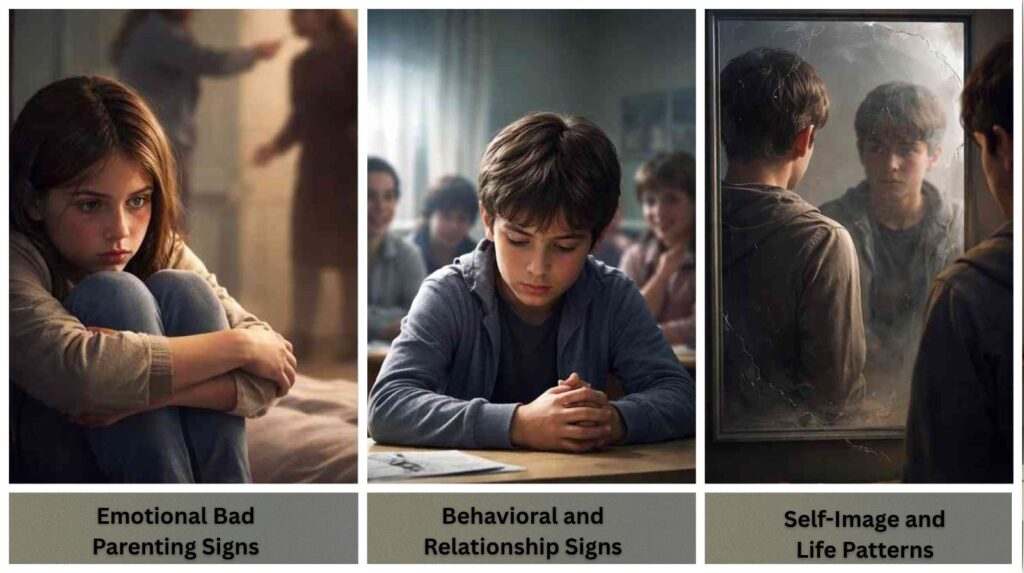
Emotional bad parenting signs
Some emotional patterns appear subtly but can influence daily life:
- Persistent self-doubt despite achievements
- Difficulty expressing emotions
- Fear of disappointing others
- Overthinking decisions
- Feeling responsible for others’ happiness
- Trouble accepting compliments
- Emotional numbness at times
These signs don’t define you; they simply highlight areas where support and self-reflection may help.
Behavioral and Relationship Signs
These often appear in social or family situations:
- Avoiding conflict at all costs
- Trust issues in relationships
- Seeking constant validation
- Struggling with boundaries
- Fear of authority figures
- Over-independence or reluctance to ask for help
Many adults quietly carry these patterns without realizing their origin.
Self-Image and Life Patterns
Long-term upbringing can shape identity:
- Negative inner self-talk
- Difficulty relaxing or feeling safe
- Perfectionism driven by fear
- Comparing yourself constantly
- Fear of failure more than desire to succeed
- Trouble celebrating achievements
- Feeling “not good enough” even when doing well
Awareness can be the first step toward healthier emotional habits.
Why Awareness Matters for Parents Today
Today’s parents face new pressures — digital distractions, work stress, and social expectations. Understanding emotional needs is just as important as providing physical care.
Research from World Health Organization highlights that supportive family environments contribute significantly to mental wellbeing.
Simple actions — listening without judgment, encouraging effort rather than perfection, and maintaining emotional warmth — can create lasting positive effects.
Practical Steps Toward Healing and Growth
Healing doesn’t require perfection. It often begins with small, compassionate steps.
Self-reflection helps. Journaling thoughts, discussing experiences with trusted people, or reading about emotional development can bring clarity. Some individuals find structured counseling helpful, though personal comfort and readiness matter.
Parents today can model emotional openness. Saying “I understand” or “It’s okay to feel this way” can deeply reassure children.
Organizations like UNICEF emphasize positive parenting approaches that focus on safety, communication, and emotional support.
Common Mistakes to Avoid
When exploring childhood influences, people sometimes fall into unhelpful patterns.
Blaming parents entirely may delay personal growth. Most caregivers do their best with available knowledge and resources.
Another mistake is ignoring emotions completely. Suppressing feelings often makes them surface later in stress or relationships.
Finally, comparing your journey with others can slow progress. Each family experience is unique.
Balance awareness with compassion — for yourself and others.
Building Healthier Family Patterns
Whether you’re healing personally or raising children now, positive habits can grow gradually.
Listening actively, validating feelings, and maintaining consistent boundaries create emotional safety. Children learn resilience when they feel heard, not judged.
Small daily actions — shared meals, calm conversations, encouragement — often matter more than grand gestures.
Growth is ongoing, not instant. Progress usually appears quietly over time.
FAQ
Q1. Can bad parenting signs affect adulthood?
Yes, early emotional experiences can shape confidence, communication, and relationships, though awareness and support can help positive change.
Q2. Does noticing these signs mean blaming parents?
Not necessarily. Understanding influences helps growth without assigning blame.
Q3. Can parenting patterns improve over time?
Yes, with awareness, communication, and consistent effort, healthier family dynamics can develop.
Q4. How can parents avoid repeating negative patterns?
Listening actively, validating emotions, and learning positive parenting approaches are helpful starting points.
Q5. Is healing from childhood experiences possible?
Many people gradually improve emotional wellbeing through reflection, supportive relationships, and learning.
Q6. When should someone seek professional guidance?
If emotional challenges interfere with daily functioning or relationships, professional counseling may provide helpful perspective.