
Strict Parenting: When Discipline Becomes Fear
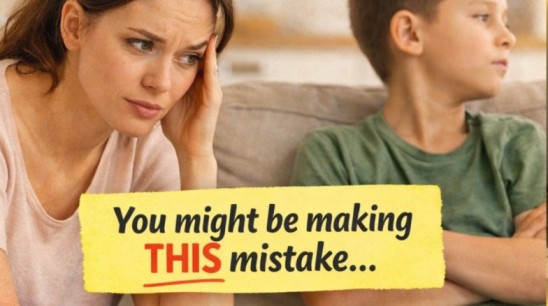
There’s a thin line between guiding a child and controlling them. At first, strict parenting may seem like the right way to build discipline. But over time, something subtle changes—discipline slowly turns into fear.
A child who once shared everything starts staying quiet. Smiles become rare. Confidence fades. And as a parent, you might wonder… what changed?
Many families go through this, and you’re not alone. Strict parenting is often rooted in love and good intentions—but without balance, it can create emotional distance instead of strong character.
In this article, we’ll explore how strict parenting affects children and how you can nurture discipline without losing connection.
Understanding Strict Parenting
Strict parenting usually means having very high expectations, firm rules, and little flexibility. Children are expected to obey without questioning. Mistakes are often met with punishment rather than guidance.
While structure is important, the problem begins when rules replace communication.
In many homes, discipline becomes one-sided. The child listens—but is not heard.
When Discipline Turns Into Fear
At first, children may follow rules because they respect you. But if fear becomes the main motivator, the relationship begins to shift.
A child may start thinking:
“I should not make mistakes… or I will be punished.”
This creates anxiety instead of learning. Instead of understanding right and wrong, they simply try to avoid consequences.
According to research shared by child development experts at UNICEF, a supportive and understanding environment helps children develop confidence and emotional strength.
Fear may create short-term obedience, but it often damages long-term trust.
Emotional Effects of Strict Parenting
Children raised in overly strict environments often struggle silently. These effects may not always be visible at first.
Loss of Confidence
When children are constantly corrected or judged, they begin to doubt themselves. Even small decisions feel overwhelming.
Increased Anxiety
Fear of punishment can make children anxious. They may become overly cautious or afraid to try new things.
Poor Communication
If children feel unheard, they stop expressing their thoughts. Over time, this creates emotional distance between parent and child.
Rebellion in Later Years
Ironically, strict control in early years can lead to rebellion later. When given freedom, children may struggle to make balanced decisions.
A Real-Life Scenario
Imagine a child who scores 85% in an exam. Instead of appreciation, they hear:
“Why not 95%?”
Over time, the child stops feeling proud of achievements. They begin to associate success with pressure instead of joy.
This is how strict parenting quietly shifts a child’s mindset—from growth to fear.
Common Mistakes to Avoid
Even caring parents sometimes fall into patterns that unintentionally harm their child’s emotional well-being.
One common mistake is expecting perfection. Children are still learning, and mistakes are part of growth.
Another mistake is using fear as a teaching tool. While it may work temporarily, it does not build understanding.
Ignoring a child’s emotions is also harmful. When feelings are dismissed, children feel unseen and unheard.
Lastly, comparing children with others can damage their self-worth deeply.
How to Discipline Without Fear
The goal is not to remove discipline—but to balance it with connection and understanding.
Set Clear but Flexible Rules
Rules are important, but they should allow room for discussion. Let your child understand why a rule exists.
Listen Actively
Sometimes children don’t need correction—they need to be heard. Listening builds trust.
Use Guidance Instead of Punishment
Instead of asking “Why did you do this?”, try “What can we learn from this?”
Appreciate Effort, Not Just Results
Recognizing effort encourages growth and confidence.
Build Emotional Safety
A child should feel safe sharing mistakes without fear of harsh judgment.
If you’re exploring deeper ways to build a healthy environment, you may find this guide on building strong parent-child relationships helpful
The Power of Balanced Parenting
Balanced parenting does not mean being lenient. It means being firm and kind.
Children thrive when they feel both guided and supported. They learn discipline not because they are afraid—but because they understand its value.
Research from the American Psychological Association (APA) highlights that positive parenting approaches are linked to better emotional and social outcomes in children.
When love and discipline work together, children grow into confident, responsible individuals.
Moving Forward as a Parent
If you recognize signs of strict parenting in your own approach, it’s okay. Parenting is a journey of learning and growth.
Start with small changes. Speak calmly. Listen more. Appreciate often.
You don’t have to be a perfect parent—just a present and understanding one.
If you’ve ever wondered whether your parenting style is too controlling, you can also read about strict-vs-gentle-parentingi.
And for practical strategies, this guide on are-you-a-helicopter-parent-7-signs-you-might-be-overdoing-it.
Final Thoughts
Discipline should guide, not frighten. It should build character, not break confidence.
When children grow up feeling safe, heard, and valued, they naturally learn responsibility and respect.
Because in the end, the goal is not to raise a child who obeys out of fear…
but one who grows with confidence, empathy, and strength.
FAQs
Q1. What is strict parenting?
Strict parenting involves high expectations, rigid rules, and limited flexibility, often with a strong focus on obedience.
Q2. Is strict parenting harmful to children?
It can be harmful if it creates fear, reduces communication, or affects a child’s confidence and emotional well-being.
Q3. What are the signs of overly strict parenting?
Common signs include fear-based obedience, lack of open communication, anxiety in children, and low self-confidence.
Q4. How can parents discipline without being too strict?
By setting clear rules, listening to children, encouraging learning from mistakes, and showing empathy.
Q5. Can strict parenting lead to rebellion?
Yes, children raised in overly strict environments may rebel later when they gain independence.
Q6. What is the best parenting style?
A balanced approach—firm but supportive—is often considered the most effective for healthy child development.
Q7. How can I improve my parenting approach?
Start by building trust, communicating openly, and focusing on guidance rather than punishment.