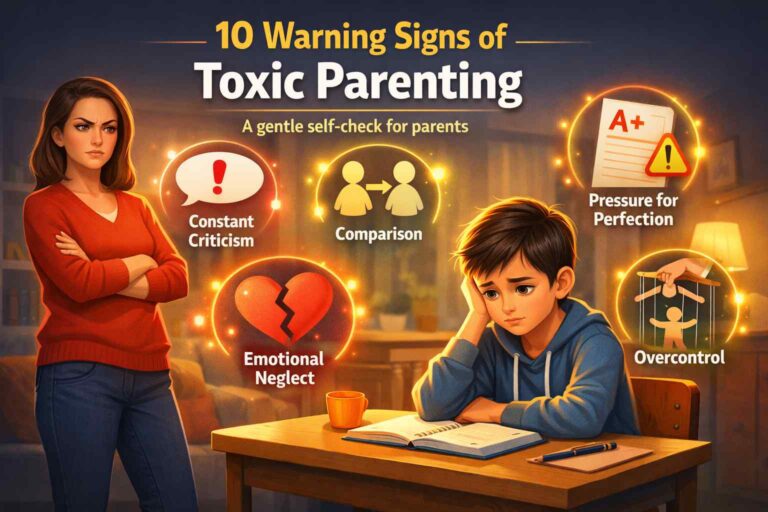


Why Parents Should Avoid Constant Scolding — Sister Shivani’s Powerful Parenting Advice
Parenting is full of love, but sometimes stress makes reactions harsher than intended. Constant scolding parenting patterns often develop unknowingly when parents feel overwhelmed or worried about their child’s future.
Many families go through this, and you’re not alone. Small everyday conflicts — unfinished homework, screen time, messy rooms — can quickly turn into repeated scolding. Over time, this may affect communication and emotional connection more than parents realize.
Spiritual teacher Sister Shivani often emphasizes calm communication, emotional awareness, and conscious parenting. Her message isn’t about avoiding discipline — it’s about replacing anger-driven reactions with understanding.
Understanding Why Constant Scolding Happens
Parents usually scold because they care. Concern about safety, academics, manners, or social behavior often triggers repeated correction.
Modern life adds pressure too. Work stress, digital distractions, and busy schedules can reduce patience. When exhaustion meets parenting challenges, scolding becomes an easy default response.
According to child development guidance from the American Psychological Association, positive communication supports better emotional growth in children. Calm conversations often encourage cooperation more effectively than repeated criticism.
What Sister Shivani Teaches About Conscious Parenting
Sister Shivani encourages parents to pause before reacting. She often explains that children absorb emotional energy more than words.
If parents communicate calmly, children are more likely to respond positively. When anger dominates, children may either withdraw emotionally or become defensive.
Her approach focuses on three simple ideas: awareness of tone, emotional stability, and respectful communication. These ideas don’t eliminate discipline — they reshape how discipline is delivered.
Emotional Impact of Constant Scolding on Children
Frequent scolding can gradually influence a child’s confidence. Some children become hesitant to express themselves, while others react with resistance.
This doesn’t mean every correction causes harm. Occasional firm guidance is part of parenting. The concern arises when scolding becomes the primary communication style.
Health resources like UNICEF parenting guidance highlight that supportive communication strengthens trust and emotional resilience in children.
Practical Ways to Reduce Scolding
Parents don’t need perfection — just mindful adjustments. A small pause before reacting can change the entire tone of a conversation.
Instead of immediate criticism, asking questions often works better. For example, “What happened?” or “How can we fix this together?” encourages responsibility without fear.
Consistency also helps. Clear routines around homework, sleep, or chores reduce repeated conflicts naturally. When expectations are predictable, children feel more secure.
Positive reinforcement matters too. Appreciating good behavior motivates children more than constant correction. Even simple acknowledgment can make a difference.
Common Mistakes to Avoid
One common mistake is correcting every minor issue immediately. Not every situation requires a strong reaction. Choosing priorities wisely helps maintain balance.
Another mistake is comparing children with others. Comparisons often create pressure instead of motivation. Each child develops at their own pace.
Some parents unintentionally mix love with criticism in the same moment. For example, scolding harshly and then quickly offering affection can confuse children emotionally. Clear, calm communication works better.
Finally, reacting when extremely stressed can escalate conflict. Taking a short pause before responding often prevents unnecessary tension.
Building Positive Communication at Home
Children respond strongly to emotional tone. A calm environment encourages openness and honesty.
Simple habits can strengthen connection: active listening, eye contact, and respectful conversation. These small actions signal safety and acceptance.
Parents interested in broader family wellness discussions may explore related insights in our parenting and lifestyle discussions on Trending topics. Ongoing learning helps parents adapt to changing challenges.
Long-Term Benefits of Gentle Guidance
When children grow up in emotionally supportive environments, they often develop stronger self-confidence and communication skills.
Gentle guidance doesn’t remove discipline — it improves its effectiveness. Children understand expectations better when they feel respected rather than criticized.
Over time, this approach can reduce conflict frequency and strengthen family relationships.
Final Thoughts
Parenting doesn’t require perfection; it requires awareness. Sister Shivani’s message reminds parents that emotional stability influences children deeply.
Reducing constant scolding doesn’t mean ignoring mistakes. It means choosing understanding over reaction whenever possible.
Small changes in communication today can create stronger bonds tomorrow.
FAQs
Q1. Is scolding always harmful for children?
No. Occasional correction is part of parenting, but repeated harsh scolding may affect communication and emotional confidence.
Q2. What does Sister Shivani suggest about parenting communication?
She emphasizes calm emotional energy, respectful dialogue, and mindful reactions instead of anger-driven responses.
Q3. How can parents discipline without scolding?
Clear expectations, calm explanations, and positive reinforcement often work better than frequent criticism.
Q4. Why do parents sometimes scold frequently?
Stress, fatigue, safety concerns, and academic pressure often contribute to repeated scolding.
Q5. Can reducing scolding improve parent-child bonding?
Yes, calmer communication often increases trust, openness, and emotional connection.
Q6. What is one simple tip to reduce scolding?
Pause briefly before reacting. This helps respond thoughtfully instead of emotionally.