

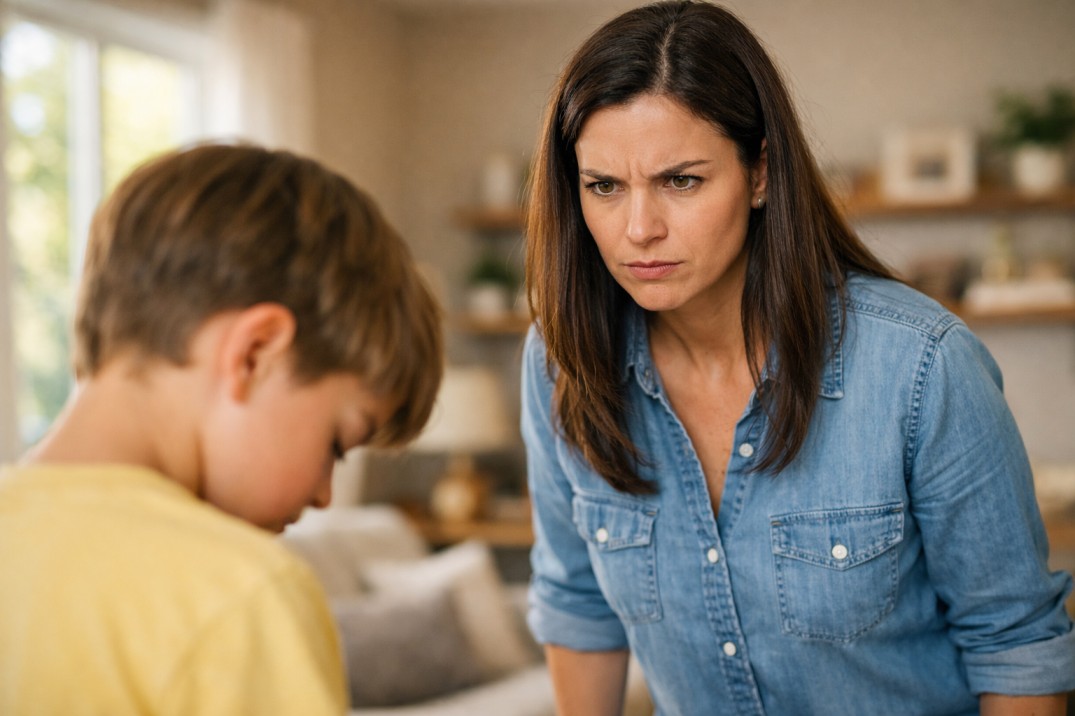
10 Signs Of A Terrible Parent & 10 Signs Of A Good
Some days, parenting feels heavy—like no matter what you do, it’s not enough.
You may love your child deeply, yet still worry you’re messing things up.
You may even ask yourself quietly: “Am I a terrible parent?”
If that thought has ever crossed your mind, please pause and breathe. Many families go through this, and you’re not alone.
This article is not here to shame you. It’s here to help you reflect with honesty and kindness—because awareness is where change begins….
If you’re searching for signs of a terrible parent, it often means you care more than you realize. Truly harmful parenting usually lacks reflection, accountability, and emotional safety.
A “good parent” isn’t perfect. A good parent repairs, learns, and tries again—especially after hard moments. Small consistent changes can rebuild trust faster than grand promises.
Why “Terrible Parent” Is a Painful Label (And What It Really Means)
The word terrible is loaded. It suggests permanence—like one mistake defines your entire parenting story.
But parenting doesn’t work that way.
Most parents who worry they’re failing are actually dealing with stress, burnout, lack of support, childhood triggers, or simply too much pressure to “do it all right.”
So instead of labeling yourself, focus on behaviors—because behaviors can be changed.
10 Signs Of A Terrible Parent (That You Can Fix)
Let’s be clear: seeing yourself in one or two of these doesn’t mean you’re a bad person. It means there are patterns worth healing.
1) You regularly humiliate or shame your child
Shaming sounds like: “What’s wrong with you?” “You’re useless.” “You always embarrass me.”
Children don’t learn confidence from shame—they learn fear and self-doubt.
2) You punish emotions instead of guiding them
If crying, anger, or anxiety always gets punished, your child may stop sharing feelings.
They may look “well-behaved,” but inside they feel alone.
3) Your love feels conditional
When affection depends on grades, obedience, or achievements, children start performing for love.
They begin to believe: “I’m only lovable when I’m impressive.”
4) You use threats as your main parenting tool
Constant threats (“I’ll leave you,” “I’ll throw your things away”) create insecurity, not discipline.
Discipline should teach, not terrify.
5) You don’t respect boundaries (privacy, body, personal space)
Forcing hugs, mocking privacy, or ignoring “no” teaches children they don’t own their body or feelings.
That’s a serious long-term risk.
6) You rarely apologize
Some parents believe apologizing makes them “weak.”
But to a child, a parent’s apology is powerful. It teaches accountability.
7) You use your child as emotional support
If your child becomes your therapist, mediator, or “best friend” in adult problems, it can burden them emotionally.
Children deserve childhood.
8) You compare your child constantly
Comparisons kill motivation. They create jealousy, resentment, and insecurity.
Every child grows differently.
9) You ignore your child’s emotional needs
Food, school, and clothes matter—but so do attention, listening, and comfort.
Emotional neglect can be silent but deeply damaging.
10) You refuse to change, even when your child is hurting
The most concerning sign isn’t mistakes—it’s denial.
Growth starts when a parent says: “I want to do better.”
10 Signs Of A Good Parent (Even If You’re Not Perfect)
Good parenting isn’t about never failing. It’s about building a home where your child feels safe—emotionally and physically.
1) Your child feels safe talking to you
Not every conversation is smooth, but your child knows they won’t be mocked or punished for honesty.
2) You correct behavior without attacking identity
You focus on what happened, not who they are.
Instead of “You’re bad,” you say, “That choice wasn’t okay.”
3) You try to understand before you react
A good parent asks: “What’s behind this behavior?”
Because behavior is often communication.
4) You set boundaries with kindness
You can be firm without being cruel.
This balance matters—especially in discipline.
If you’re struggling with this, you may enjoy our guide on strict vs gentle parenting.
5) You repair after conflict
You reconnect after shouting, misunderstanding, or tension.
Repair sounds like:
“I didn’t handle that well. I’m sorry. Let’s try again.”
6) You notice your child’s efforts
Not just outcomes.
“I saw you trying” builds resilience more than “You’re the best.”
7) You model emotional regulation
You show what calming down looks like.
Even if you fail sometimes, you come back and fix it.
8) You’re consistent (not perfect)
Children thrive when rules feel predictable.
Consistency creates stability.
9) You make time for connection
Even 10 minutes of undistracted attention daily can change a child’s behavior dramatically.
If screens are getting in the way, read this helpful post on no talk time and screen time with kids.
10) You keep learning
A good parent is a growing parent.
For practical steps, see our guide on effective parenting tips for emotionally strong children:
A Relatable Scenario: The Moment That Changes Everything
Imagine this:
Your child spills water. You’re already stressed. The day has been long.
Your voice rises. Your face tightens. Your child freezes.
Then you see their eyes.
In that moment, two paths appear.
One path is repeating what you learned growing up—anger, blame, fear.
The other is pausing, breathing, and choosing something different.
Good parenting is often that tiny pause.
Not perfection—just a pause.
Common Mistakes to Avoid
Many loving parents fall into these traps, especially during stress.
Mistake 1: Thinking discipline means harshness
Discipline means teaching. Fear only teaches hiding.
Mistake 2: Expecting children to behave like adults
Children need skills taught repeatedly: patience, manners, focus, emotional control.
Mistake 3: Overusing screens as a peace tool
Sometimes it’s necessary, but when it becomes constant, connection reduces and behavior issues increase.
Mistake 4: Trying to “win” arguments
Parenting is not a power contest. It’s a relationship.
Mistake 5: Not taking care of yourself
Burnt-out parents react faster and regret more.
Self-care is not selfish—it’s stability.
Practical Steps to Become a Better Parent (Starting Today)
You don’t need a total life overhaul. Start with small changes that create big safety.
Choose one “repair habit”
When you mess up, try:
- “I’m sorry I yelled.”
- “You didn’t deserve that tone.”
- “Let’s talk again.”
Create one daily connection ritual
Examples:
A 10-minute walk, bedtime chat, lunch talk, or even cooking together.
Replace shame with curiosity
Instead of: “Why are you like this?”
Try: “What’s going on inside you today?”
Set boundaries without emotional threats
Avoid: “I won’t love you if…”
Use: “I love you, and the rule is still no.”
Positive parenting tips from UNICEF
Final Reminder: A Good Parent Is a Safe Place
If you’ve read this far, you’re already doing something powerful: reflecting.
And reflection is one of the strongest signs of a good parent. CDC’s parent tips for healthy development
Parenting is not about being flawless.
It’s about being present, responsible, and willing to grow.
Many families go through this, and you’re not alone.
FAQ Section
Q1. What are the biggest signs of a terrible parent?
A terrible parenting pattern often includes frequent shaming, emotional neglect, conditional love, and refusal to repair or change. One mistake doesn’t define you—repeated harmful behavior does.
Q2. Can a good parent still lose their temper?
Yes. Good parents can lose patience sometimes. The difference is they reflect, apologize when needed, and work on healthier responses over time.
Q3. If I worry I’m a bad parent, does that mean I am one?
Not necessarily. Worry and self-reflection are often signs you care deeply. Parents who truly cause harm often don’t question themselves at all.
Q4. How can I rebuild trust after yelling at my child?
Start with repair: acknowledge what happened, apologize sincerely, and reassure your child they are safe and loved. Then focus on consistent calmer communication.
Q5. What is the difference between discipline and punishment?
Discipline teaches skills and boundaries. Punishment focuses on fear or pain. Healthy discipline helps children learn what to do next time.
Q6. How do I stop shouting as a parent?
Try a pause routine: step back, breathe slowly, drink water, and return when calmer. Also reduce triggers by improving sleep, support, and realistic expectations.
Q7. When should parents seek professional support?
If anger feels uncontrollable, conflict is constant, or the home feels emotionally unsafe, support from a qualified counselor or parenting professional can help build healthier patterns.