
10 Gratitude Activities for Families to Build a Happier Home
Gratitude doesn’t have to be complicated. Small daily practices can help children and adults develop a more positive mindset and appreciate the good things in everyday life.
Small practices—such as noticing someone’s effort, sharing something you’re thankful for, or asking a simple gratitude question—can make appreciation part of family life.
In this guide, you’ll discover 10 simple gratitude activities for families that parents and children can practice together. Choose one that feels natural for your family and build the habit gradually.
Why Practice Gratitude as a Family?
Gratitude doesn’t mean pretending that everything is perfect. Families still have stressful mornings, disagreements, busy schedules, disappointments, and difficult days.
Instead, gratitude is about pausing to notice and appreciate people, experiences, efforts, and small positive moments that might otherwise be overlooked.
For example, instead of only noticing that your child forgot to put away their shoes, you might also notice when they help with something without being asked.
Instead of focusing only on a difficult day, your family might pause and ask:
“What was one good thing that happened today?”
These small conversations can create opportunities for family members to notice kindness and express appreciation.
Organizations such as PBS KIDS and the American Academy of Pediatrics also recommend simple gratitude practices and conversations as ways families can encourage children to notice and express appreciation.
How Gratitude Can Support a Happier Home
It helps families notice positive moments
Busy family life can make it easy to focus on problems, responsibilities, and what still needs to be done.
A short gratitude practice creates a deliberate pause to notice something positive.
It encourages appreciation
Saying “thank you” is useful, but gratitude can go further by helping children understand what they appreciate and why.
For example:
“Thank you for helping me with dinner. It made my evening easier.”
This is more meaningful than simply saying “thanks.”
It creates opportunities for connection
A family gratitude question can open a conversation that might not happen naturally during a busy day.
It gives children a chance to learn by example
Children often learn from what they see adults do. When parents naturally express appreciation, children get an everyday example of how gratitude can be communicated.
Harvard’s Making Caring Common similarly recommends that parents model gratitude and make it part of ordinary conversations rather than treating it as a one-time lesson.
3 Common Myths About Family Gratitude
Myth 1: “Gratitude means ignoring problems.”
Not at all.
A family can acknowledge frustration, sadness, conflict, or disappointment while still noticing something positive.
You can say:
“Today was difficult, but I’m grateful that we talked about it.”
Gratitude should not be used to dismiss genuine problems.
Myth 2: “My family isn’t the gratitude type.”
Gratitude doesn’t have to be a personality trait.
It can simply become a small family habit.
Start with something easy and natural rather than creating a formal daily ritual.
Myth 3: “Gratitude has to be deep and emotional.”
It doesn’t.
A child can be grateful for:
- a favorite meal
- playing outside
- a funny joke
- help with homework
- spending time with a parent
- their favorite toy
Simple appreciation counts too.
10 Gratitude Activities for Families
1. Practice Micro-Gratitude
Micro-gratitude means noticing small things that someone does or that make your day better.
Try saying:
- “Thank you for putting your shoes away.”
- “I noticed you tried again even though it was difficult.”
- “Thanks for waiting patiently.”
- “I appreciate you helping me.”
Focus on effort rather than perfection.
This makes gratitude part of normal family conversation instead of another task on the schedule.
2. Share One Good Moment During Daily Transitions
You don’t need a special family meeting.
Use moments that already exist in your day.
Morning
“What’s one thing you’re looking forward to today?”
After school
“What was one good moment today?”
Dinner
“What’s something you’re thankful for today?”
Bedtime
“What’s one thing you appreciated today?”
PBS KIDS similarly recommends incorporating gratitude questions into existing routines such as mealtimes or bedtime.
3. Create a Family Gratitude Jar
A gratitude jar is a simple way to encourage children to notice the good things in their lives. You can make it part of your family’s daily habits.
You need:
- a jar, box, or container
- small pieces of paper
- pens, pencils, or crayons
Place the container somewhere visible.
Each family member can occasionally write or draw something they appreciate and put it inside.
For younger children who cannot write yet, they can draw a picture or tell a parent what they want written down.
At the end of the week or month, open the jar and read a few notes together.
This type of activity is also recommended by PBS KIDS as a simple way for children and families to record and revisit things they appreciate.
4. Try a Gratitude Question for Kids
Some children may not know what to say when asked:
“What are you grateful for?”
Instead, use specific questions.
Try:
- “Who helped you today?”
- “What made you smile today?”
- “What was your favorite part of today?”
- “What is something you enjoyed this week?”
- “Who did something kind for you?”
- “What is one thing you are glad we did together?”
Specific questions can make gratitude conversations easier, especially for younger children.
5. Keep a Family Gratitude Journal
A gratitude journal doesn’t have to be complicated.
Keep one notebook where everyone can contribute.
Once or twice a week, each family member can write:
“Today I’m grateful for ______ because ______.”
Older children can write a few sentences.
Younger children can draw pictures.
Parents can participate too.
The goal isn’t beautiful writing or long entries. It’s simply creating a regular opportunity to notice and express appreciation.
6. Gratitude Walk
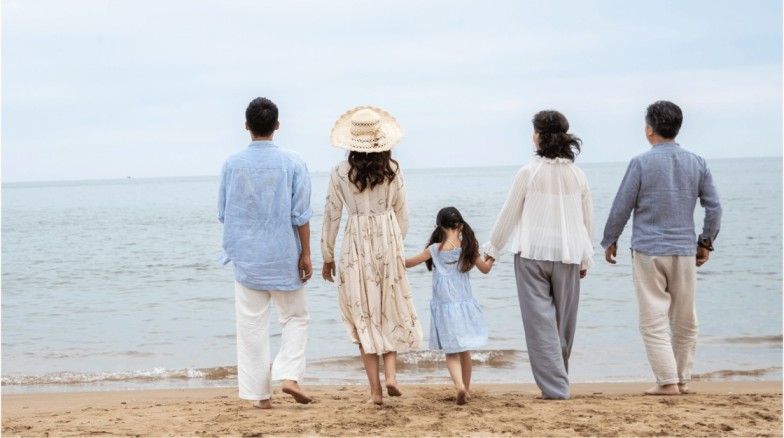
Take a short family walk and encourage everyone to notice things they appreciate. Spending intentional time together can also strengthen family bonding.
Help children connect gratitude with action.
Choose someone who has helped or supported them and create a simple thank-you note.
You could start with:
“Thank you for ______. It made me feel ______.”
This turns gratitude from something children think about into something they express.
7. Use Gratitude to Reconnect After Sibling Conflict
Siblings will disagree. Gratitude shouldn’t be used to pretend the disagreement didn’t happen.
After everyone has calmed down, try a simple question:
“Can you think of one thing you appreciate about your brother/sister?”
Don’t force an immediate answer.
You can also model it:
“I know you were both upset, but I appreciate that you eventually listened to each other.”
The goal isn’t to eliminate conflict. It’s to help children notice that a difficult moment doesn’t erase the positive parts of a relationship.
8. Turn Gratitude Into an Act of Kindness
Gratitude can become more meaningful when it leads to action.
Ask:
“If we appreciate someone, what could we do to show it?”
Ideas include:
- helping with a household task
- making a thank-you card
- checking on someone
- helping a sibling
- calling a grandparent
- sharing something
- doing something kind without being asked
Research on children’s gratitude conversations also describes gratitude alongside prosocial actions such as helping family members and showing care for others.
9. Create a Weekly Family Gratitude Ritual
Choose one day each week for a short family gratitude conversation.
It could be:
Thankful Thursday
or
Sunday Gratitude Time
Keep it simple.
Each person can answer:
- What was one good thing this week?
- Who helped you?
- What are you looking forward to?
Harvard’s Making Caring Common suggests using recurring family conversations, including a regular “Thankful Thursday,” to help make gratitude a habit.
10. Practice Gratitude During Difficult Days
This may be one of the most important activities.
Gratitude isn’t only for birthdays, holidays, vacations, or good days.
When your family has had a difficult day, don’t force everyone to say something positive.
Instead, gently look for one small thing.
For example:
“Today was really hard, but I’m grateful we were there for each other.”
Or:
“We didn’t have a good day, but I’m glad we talked before bedtime.”
The goal isn’t to erase difficult emotions.
It’s to recognize that a difficult day can contain both challenges and small moments of comfort or connection.
How Parents Can Model Gratitude
Children learn about gratitude partly through everyday interactions.
If you want your children to notice appreciation, let them hear you express it naturally.
Instead of:
“Why didn’t anyone help me?”
sometimes try:
“Thank you for helping me with that. I really appreciated it.”
Practice gratitude during busy days
You might say:
“I’m tired today, but I’m grateful we had dinner together.”
Appreciate effort
Instead of focusing only on results:
“I noticed how much effort you put into that.”
Express appreciation after conflict
When things have calmed down:
“Thank you for listening. I’m glad we talked.”
Don’t compare your family
Gratitude becomes harder when family life is constantly compared with someone else’s social-media highlight reel.
Your family doesn’t need to look like another family.
The goal is simply to notice what is meaningful in your own family life.
Simple Gratitude Phrases for Everyday Family Life
Sometimes you don’t need a special activity. You just need the right words.
For children
- “I’m proud of how you tried.”
- “Thank you for being honest.”
- “I loved spending time with you today.”
- “I noticed your effort.”
- “Thank you for helping.”
For a spouse or partner
- “Thank you for handling that.”
- “I appreciate your effort.”
- “I felt supported when you helped me.”
- “Thank you for being there today.”
For the whole family
- “I’m grateful we had time together.”
- “Thank you for helping each other.”
- “I’m glad we ate together.”
- “I’m grateful we worked through that together.”
The more naturally appreciation becomes part of family communication, the less it feels like a formal exercise.
How to Make Gratitude a Habit Without Making It a Chore
You don’t have to do all 10 activities.
Start with one.
Choose something that fits naturally into your family’s routine.
For example:
Busy family: one gratitude question at dinner.
Young children: gratitude drawings.
Teenagers: one weekly gratitude conversation.
Family that enjoys crafts: a gratitude jar.
Family with little time: one genuine “thank you” each day.
The best gratitude practice is one your family can actually enjoy and continue.
What If My Child Doesn’t Want to Participate?
Don’t force it.
A child may initially find gratitude conversations awkward, especially if the activity feels artificial.
Instead:
- model gratitude yourself
- ask specific questions
- accept simple or silly answers
- allow children to draw instead of write
- keep the activity short
- don’t turn gratitude into a test
The goal is to encourage reflection and appreciation, not to make children perform gratitude.
Conclusion: Build Gratitude One Small Moment at a Time
A happier family doesn’t require a perfect routine or a home without conflict.
Gratitude is simply one small practice that can help family members notice appreciation, recognize effort, and create more opportunities for positive connection.
You don’t need to try all 10 activities at once.
Choose one that feels natural for your family and try it this week.
It could be a gratitude question at bedtime, a family gratitude jar, a thank-you note, or simply noticing someone’s effort.
Start small. Keep it natural. Let gratitude become part of everyday family life.
FAQs
1. How does gratitude help families?
Gratitude can encourage family members to notice positive experiences and express appreciation for one another. It may help create more opportunities for positive conversations and connection, although it does not eliminate normal family disagreements or difficult emotions.
2. What is an easy gratitude activity for families?
One of the easiest options is asking a simple question during an existing routine:
“What is one good thing that happened today?”
It takes very little time and can be adapted for children and adults.
3. What are some gratitude activities for kids?
Children can make a gratitude jar, draw things they appreciate, create thank-you cards, answer simple gratitude questions, or add notes to a family gratitude journal. PBS KIDS provides similar age-appropriate gratitude activities for children.
4. How can I teach gratitude to my child without forcing it?
Model gratitude yourself, use gentle questions, and allow your child to participate in a way that feels natural. Avoid turning gratitude into an obligation or demanding a particular answer.
5. Can gratitude stop family arguments?
No. Gratitude cannot eliminate normal disagreements or serious family problems. It can, however, give families another way to notice appreciation and reconnect after difficult moments.
6. How often should families practice gratitude?
There is no required schedule. Start with whatever feels realistic for your family—perhaps a few times a week or during an existing routine. Consistency is more useful than creating a complicated routine that nobody enjoys.