
Parenting in today’s fast-paced world can feel overwhelming. Between responsibilities, screen time, and daily stress, many parents find themselves reacting rather than responding. Mindful parenting offers a gentle, practical approach that helps parents slow down, stay present, and build deeper emotional connections with their children.
Mindful parenting is not about being a perfect parent. It is about being aware, compassionate, and intentional in everyday interactions. By practicing mindfulness in parenting, families can create calmer homes, improve communication, and support children’s emotional development in a healthy, balanced way.
What Is Mindful Parenting?
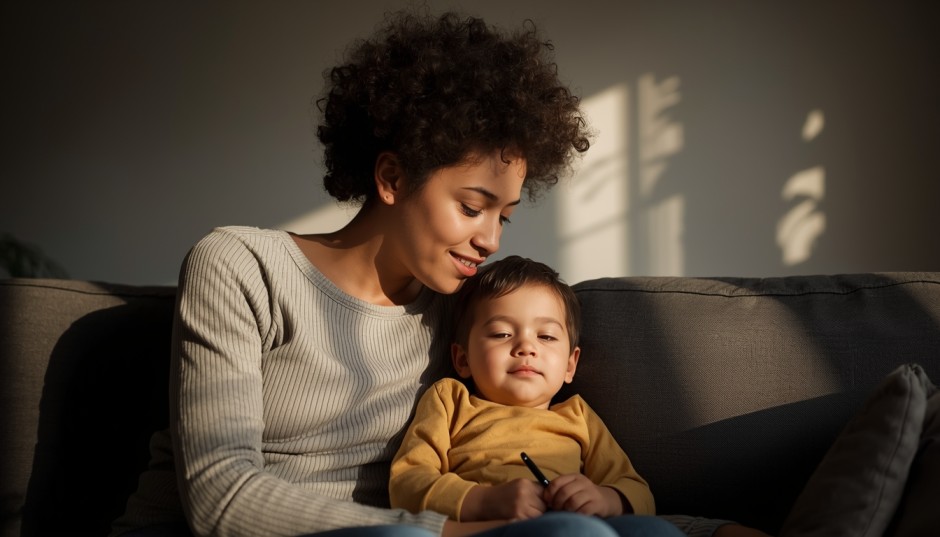
Mindful parenting is the practice of bringing full attention and awareness to parenting moments — both joyful and challenging. It means noticing your thoughts, emotions, and reactions without judgment, and responding to your child with patience and understanding.
Instead of reacting automatically during stressful situations, mindful parenting encourages parents to pause, observe, and choose responses that align with their values.
Core Principles of Mindful Parenting
- Being fully present with your child
- Listening without interrupting or judging
- Regulating your own emotions before guiding your child
- Responding with empathy rather than anger
- Accepting imperfections — yours and your child’s
Mindful parenting is a skill that develops over time through small, consistent practices.
Why Mindful Parenting Matters in Today’s World
Modern parenting comes with constant distractions, time pressure, and emotional overload. Without awareness, stress can easily transfer from parent to child.
Mindful parenting helps by:
- Reducing parental stress and burnout
- Strengthening parent-child relationships
- Encouraging emotional intelligence in children
- Creating a sense of safety and trust at home
- Supporting healthy communication and behavior
Children raised in mindful environments often feel heard, respected, and emotionally secure.
The Connection Between Mindfulness and Parenting
Mindfulness is the practice of paying attention to the present moment with openness and curiosity. When applied to parenting, mindfulness allows parents to notice their own emotional triggers and patterns.
Instead of asking, “How do I control my child’s behavior?” mindful parenting asks:
“What is my child communicating through this behavior?”
This shift builds compassion and understanding, even during difficult moments.
Benefits of Mindful Parenting for Parents and Children
For Parents
- Improved emotional regulation
- Less reactive anger or frustration
- Greater confidence in parenting decisions
- Increased patience and calmness
- Stronger emotional connection with children
For Children
- Better emotional awareness
- Improved communication skills
- Increased self-confidence
- Reduced anxiety and fear
- A sense of being valued and understood
These benefits develop gradually through daily mindful interactions.
Common Challenges Parents Face Without Mindfulness
Many parenting struggles are not about children misbehaving — they are about stressful reactions.
Without mindfulness, parents may experience:
- Frequent shouting or snapping
- Guilt after emotional outbursts
- Feeling disconnected from their child
- Constant power struggles
- Emotional exhaustion
Mindful parenting does not remove challenges, but it changes how parents experience and respond to them.
Practical Mindful Parenting Practices You Can Start Today
Mindful parenting does not require hours of meditation. Simple habits can make a meaningful difference.
1. Pause Before Responding
When emotions rise, pause for a few seconds. Take a slow breath before speaking. This pause helps prevent reactive responses and creates space for calm communication.
2. Practice Active Listening
Give your child full attention when they speak. Maintain eye contact, avoid multitasking, and reflect back what you hear. Feeling heard builds trust and emotional safety.
3. Name Emotions — Yours and Theirs
Labeling emotions helps children understand their inner world. For example:
“I see you’re feeling upset because your toy broke.”
This simple practice strengthens emotional intelligence.
4. Model Calm Behavior
Children learn more from what parents do than what they say. Demonstrating calm responses teaches children how to manage their own emotions.
5. Create Mindful Moments Together
Short mindful moments can include:
- Deep breathing together
- Quiet bedtime conversations
- Gratitude sharing at dinner
- Nature walks without phones
Consistency matters more than duration.
Mindful Parenting During Difficult Situations
Parenting becomes most challenging during tantrums, defiance, or emotional meltdowns. Mindful parenting encourages curiosity instead of control.
Responding to Emotional Outbursts
- Stay physically present and calm
- Acknowledge your child’s feelings
- Avoid shaming or dismissing emotions
- Set boundaries with kindness
Boundaries are still important — mindfulness helps enforce them with respect and clarity.
Mindful Parenting and Emotional Regulation
Children rely on adults to help them regulate emotions. A calm parent becomes a safe emotional anchor.
If emotional regulation is a concern, you may find guidance helpful in Emotional Regulation Tips for Parents.
This internal connection strengthens your content structure and supports parents seeking deeper emotional guidance.
How Mindful Parenting Supports Long-Term Child Development
Mindful parenting contributes to healthy development beyond childhood.
Long-term outcomes may include:
- Better stress management skills
- Healthy self-esteem
- Stronger relationships
- Improved problem-solving abilities
- Emotional resilience
These skills support children throughout adolescence and adulthood.
Mindful Parenting Is a Journey, Not a Destination
There will be days when mindfulness feels difficult — and that’s okay. Mindful parenting is not about eliminating mistakes but learning from them with compassion.
Each mindful pause, calm conversation, or moment of presence contributes to a stronger parent-child bond.
For a broader understanding of parenting philosophies, explore Positive Parenting Approaches within your Parenting section.
Health & Wellness Disclaimer
This content is intended for educational and informational purposes only. It does not replace professional mental health advice, diagnosis, or treatment. If emotional challenges feel overwhelming, consider seeking guidance from a qualified professional.
Final Thoughts: A Gentle Way Forward
Mindful parenting invites parents to slow down, listen deeply, and respond with intention rather than habit. It reminds us that connection matters more than control, and presence matters more than perfection.
By practicing mindful parenting, you create a home where emotions are respected, communication is open, and growth happens naturally — for both parents and children.