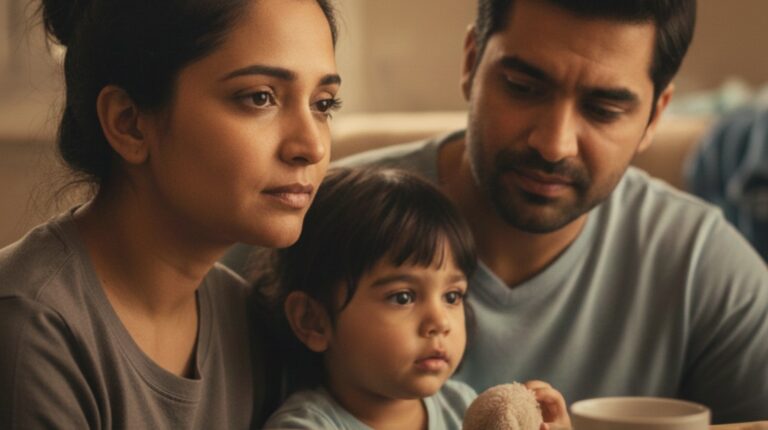


How to Handle Children’s Behavior Issues Calmly
Parenting often tests patience, especially when children show challenging behaviors such as tantrums, stubbornness, aggression, or emotional withdrawal. In such moments, reacting calmly can feel difficult—but it is one of the most powerful tools a parent can develop. Learning how to handle children’s behavior issues calmly helps reduce stress for both parent and child, strengthens emotional bonds, and creates a safer environment for learning and growth.
Calm responses do not mean ignoring problems or being overly permissive. Instead, they reflect thoughtful, respectful guidance rooted in positive parenting strategies that support a child’s emotional development while maintaining healthy boundaries.
Why Calm Responses Matter in Child Behavior
Children learn emotional regulation primarily by observing adults. The way parents respond to difficult moments becomes a blueprint for how children manage emotions later in life.
Emotional Regulation Starts With Adults
When parents remain calm, children feel less threatened and more understood. This emotional safety helps children slow down, listen, and eventually reflect on their behavior.
Calm Parenting Prevents Escalation
Yelling or reacting harshly can intensify emotional reactions. A calm approach lowers tension and prevents minor behavior issues from becoming prolonged conflicts.
According to UNICEF parenting guidance calm responses support emotional development in children.
Understanding the Root of Behavior Issues
Before addressing behavior, it is important to understand what may be causing it. Most behavior is a form of communication.
Unmet Emotional Needs
Children may act out when they feel ignored, overwhelmed, or insecure. Behaviors often express feelings children cannot yet verbalize.
Age-Appropriate Development
Certain behaviors—such as impulsivity in toddlers or emotional sensitivity in teens—are part of normal development. Recognizing this helps parents respond with patience rather than frustration.
Environmental and Lifestyle Factors
Lack of sleep, overstimulation, hunger, school stress, or changes at home can strongly influence behavior. Addressing these factors often reduces issues naturally.
Practical Strategies to Handle Children’s Behavior Issues Calmly
Calm parenting is a skill that grows with awareness and practice. These strategies can help during everyday challenges.
Pause Before Reacting
Taking a short pause allows parents to respond thoughtfully instead of reacting emotionally. A few slow breaths can help regulate your own emotions first.
Acknowledge Emotions Before Correcting Behavior
Validating feelings does not mean approving behavior. Saying, “I see you’re upset,” helps children feel heard and reduces resistance.
Use Clear and Consistent Boundaries
Children feel safer when rules are predictable. Calmly explain expectations and follow through consistently without threats or anger.
Focus on Teaching, Not Punishing
Natural and logical consequences help children understand cause and effect. This approach supports learning rather than fear-based compliance.
Handling Tantrums and Emotional Outbursts Calmly
Emotional outbursts are often overwhelming for children. How parents respond in these moments matters greatly.

Stay Present and Supportive
Remain nearby and attentive. Avoid lecturing during meltdowns, as children cannot process reasoning when emotionally flooded.
Use a Soft and Steady Voice
A calm tone helps soothe a child’s nervous system. Even minimal words can be effective when delivered calmly.
Prioritize Safety Over Control
Ensure the child is safe, but avoid forcing calmness. Once emotions settle, gentle discussion becomes possible.
Building Daily Habits That Reduce Behavior Issues
Preventive habits play a significant role in reducing frequent behavioral challenges.
Strengthen Emotional Connection
Spending regular, focused time together helps children feel valued. Strong connections reduce attention-seeking behaviors.
Encourage Emotional Expression
Help children name emotions through conversations, stories, and modeling healthy expression of feelings.
Maintain Predictable Routines
Consistent routines provide a sense of security. Children who know what to expect often feel calmer and behave more cooperatively.
When Staying Calm Feels Hard for Parents
Even the most patient parents struggle at times. Learning and applying mindful parenting practices can help parents respond with awareness rather than reaction, especially during stressful moments.
Practice Self-Compassion
It’s normal to feel overwhelmed. Acknowledging your effort helps reduce guilt and emotional exhaustion.
Care for Your Own Well-Being
Rest, emotional support, and realistic expectations help parents respond more calmly. A regulated parent supports a regulated child.
At Awellora, we believe calm parenting is not about controlling children—it’s about guiding them with patience, understanding, and emotional awareness. Every challenging moment is an opportunity to build trust, deepen connection, and grow together—one calm response at a time.
Gentle Disclaimer
This content is for general parenting guidance and educational purposes only. It does not replace professional advice. If you have concerns about your child’s development or behavior, consider seeking support from a qualified professional.