
Responsibility-Building Habits for Kids: Raising Emotionally Strong and Accountable Children
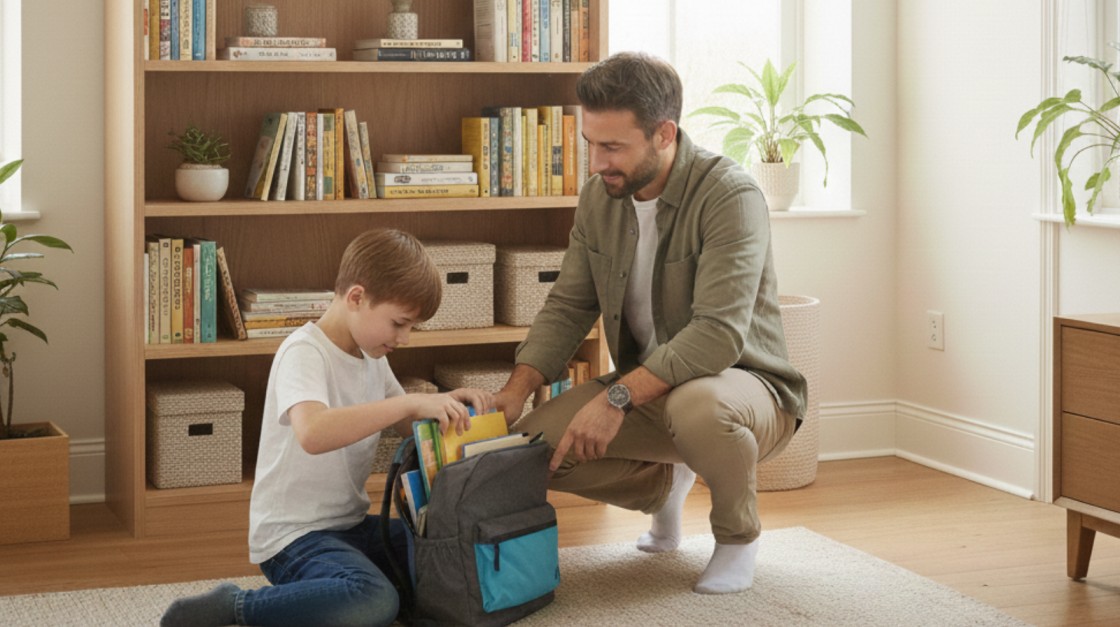
Every parent has faced this moment: reminding a child again and again to finish homework, pack their bag, or clean up after play—only to feel tired, frustrated, and unsure whether we’re helping or controlling. Many parents quietly wonder, “Why isn’t my child becoming responsible on their own?”
The truth is, responsibility doesn’t develop through reminders or pressure alone. It grows through habits, emotional safety, and trust. Responsibility-building habits for kids are less about discipline charts and more about how children feel about themselves—capable, valued, and trusted.
When children learn responsibility in a supportive environment, it strengthens emotional wellbeing, confidence, and long-term resilience.
Responsibility Is an Emotional Skill Before It Is a Behaviour
Many parents see responsibility as a task-based skill—doing homework, completing chores, following rules. But for children, responsibility is deeply emotional. It begins with the belief: “I can do this.”
When children feel constantly corrected or micromanaged, they may comply but don’t truly grow. On the other hand, when parents show faith in their child’s abilities, responsibility develops naturally. This emotional trust supports child development and builds inner motivation rather than fear-based obedience.
Child psychology research often highlights that children take ownership more willingly when they feel emotionally safe and respected at home. This emotional foundation quietly supports building emotional resilience in children over time.
Giving Children Ownership Instead of Control
Responsibility grows when children feel a sense of ownership, not when they feel controlled. Simple choices—what clothes to wear, how to organise their study space, or when to complete a task within limits—teach accountability.
Instead of saying, “Do this now,” try asking, “How do you want to plan this?” This shift empowers children and encourages independent thinking. It also supports supporting child confidence without pressure.
Parenting guidance resources frequently note that children who are involved in decisions develop stronger problem-solving skills and lower anxiety levels, especially during adolescence.
Letting Natural Consequences Teach, Gently
One of the hardest parenting skills is stepping back and allowing children to face natural consequences. When a child forgets their water bottle or doesn’t complete a task, it’s tempting to fix it immediately.
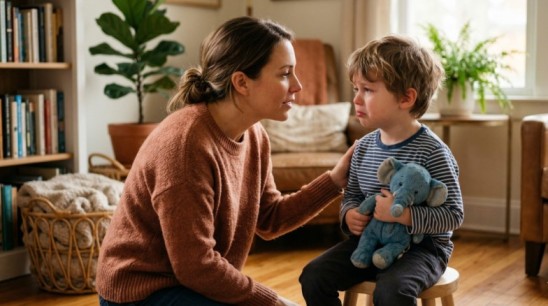
However, small, safe consequences teach responsibility far more effectively than repeated reminders. The key is empathy—acknowledging feelings without rescuing. Saying, “I know that was uncomfortable; what can you do differently next time?” keeps the lesson emotionally safe.
This approach naturally aligns with helping children cope with failure and teaches that mistakes are part of learning, not a reason for shame.
Building Consistent Routines Without Emotional Pressure
Children thrive on predictability. Simple daily routines—morning preparation, homework time, bedtime rituals—create structure that supports responsibility without constant reminders.
Instead of enforcing routines rigidly, involve children in creating them. When children help design routines, they are more likely to follow them willingly. This builds trust and reduces power struggles.
Mental health professionals often highlight that consistent routines lower stress and anxiety in children while improving emotional regulation and self-discipline.
Teaching Accountability Through Calm Conversations
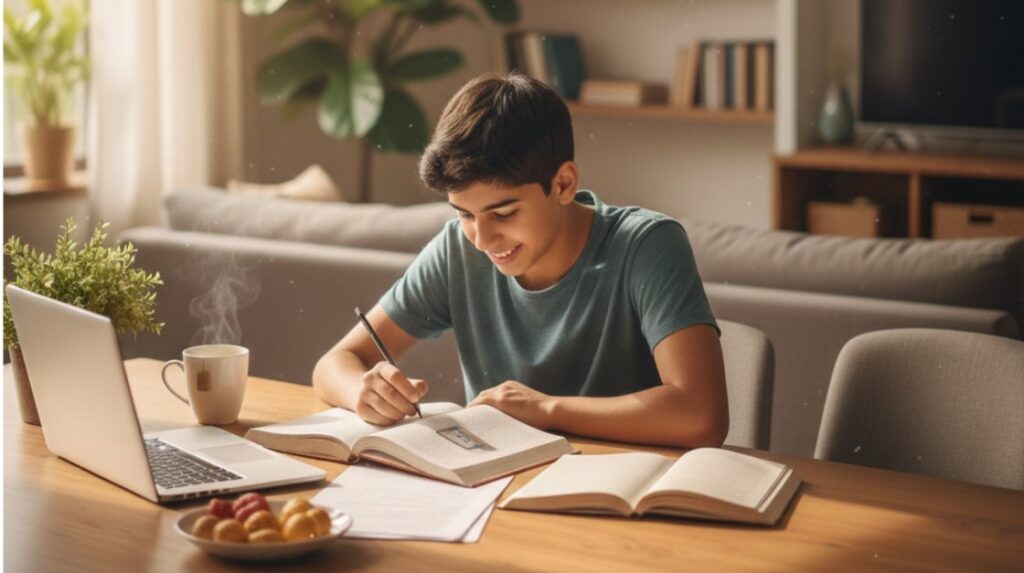
Accountability doesn’t mean punishment. It means understanding actions and outcomes. When something goes wrong, calm conversations matter more than consequences.
Instead of asking, “Why did you do this?”—which can feel accusatory—try, “What happened, and how can we fix it together?” This encourages honesty and problem-solving rather than defensiveness.
Such conversations reflect positive parenting practices and teach children to take responsibility without fear. Over time, children learn to self-correct and reflect, key skills for emotional intelligence.
Modelling Responsibility Through Everyday Behaviour
Children learn responsibility by observing adults. How parents handle commitments, apologise for mistakes, manage emotions, and respect others sends powerful messages.
If parents expect responsibility but avoid accountability themselves, children receive mixed signals. Simple acts—keeping promises, admitting mistakes, managing stress calmly—teach more than lectures ever can.
Family wellness studies often emphasise that children raised in emotionally consistent environments show higher self-esteem and stronger social skills.
Encouraging Effort Over Perfection
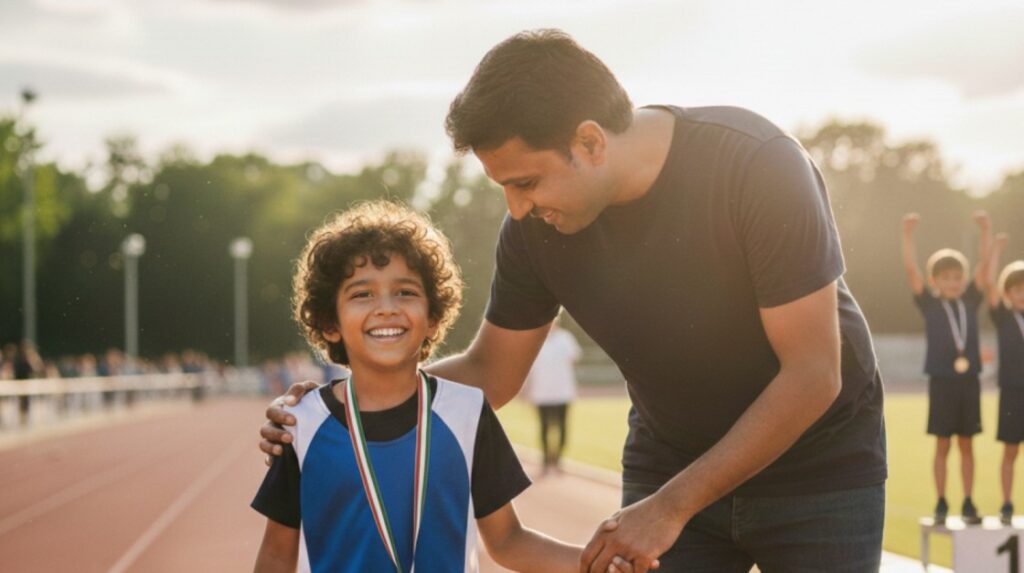
Some children avoid responsibility because they fear doing things “wrong.” When effort is appreciated more than results, children feel safer trying.
Praising effort—“You really tried to organise your things today”—instead of outcomes builds confidence and motivation. This supports a healthy growth mindset and reduces performance anxiety.
Educational psychology research frequently shows that children praised for effort are more resilient, emotionally balanced, and willing to take initiative.
Supporting Emotional Regulation Alongside Responsibility
Responsibility becomes overwhelming when children feel emotionally overloaded. Teaching emotional regulation—taking breaks, expressing frustration, calming techniques—helps children manage tasks without burnout.
When parents acknowledge emotions before discussing responsibility, children feel understood. This strengthens trust and promotes emotional wellbeing for both children and parents.
Parent mental health resources often stress that emotionally regulated parents raise emotionally regulated children, creating a balanced family environment.
Responsibility Is Built Slowly, Not Overnight
Every child develops responsibility at their own pace. Comparing siblings or expecting adult-like behaviour too early can damage confidence and emotional security.
Responsibility-building habits for kids are formed through patience, consistency, and compassion. Progress may be slow, but each small step matters.
At awellora… we believe that responsibility grows best in homes filled with trust, empathy, and emotional safety. Raising responsible children isn’t about strict rules or constant supervision—it’s about nurturing confidence, resilience, and emotional wellbeing. Parenting is a journey, not a test, and with mindful guidance, families can grow together with balance, understanding, and warmth.