

How Much Water Should You Drink Daily?
You probably know you should drink water. But knowing that and actually drinking enough can be two very different things.
A busy morning becomes a busy afternoon. Your water bottle sits beside your laptop, almost untouched. Then suddenly you realise you’ve had coffee, breakfast and lunch—but very little water.
So, how much water should you drink daily?
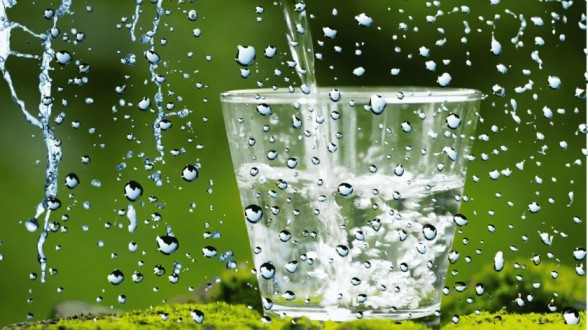
The answer isn’t as simple as “eight glasses.”
Your body doesn’t work according to one universal water target. Your fluid needs can change depending on your activity, the weather, your diet, your age and several other everyday factors.
The good news is that staying hydrated doesn’t have to become another complicated health goal.
Why Water Matters Every Day
Water is involved in almost everything your body does throughout the day.
It helps your body maintain a normal temperature, supports digestion, helps transport substances around the body and allows waste to leave through processes such as urination and sweating.
Think about a normal summer day.
You wake up, get ready for work, walk outside in the heat, spend a few hours moving around and perhaps exercise in the evening. Your body loses fluid throughout that day without you necessarily noticing every time it happens.
Replacing those fluids regularly is part of taking care of your body.
That is why hydration isn’t something you need to think about only when you’re extremely thirsty. It works better as a simple everyday habit.
How Much Water Should You Drink Daily?
This is where things become interesting.
There isn’t one exact number that every healthy adult needs to drink every day.
A commonly referenced guideline puts total daily water intake at around 3.7 litres for men and 2.7 litres for women. But these figures refer to water coming from all sources, including drinking water, other beverages and food—not simply the amount of plain water you pour into your bottle.
So if you’ve been thinking, “I have to force myself to drink 3 litres of plain water every day,” that’s not quite how these recommendations should be understood.
Your body gets fluid from many places.
A bowl of soup, a juicy orange, cucumber, watermelon, milk, tea and other drinks can all contribute to your overall fluid intake.
And your personal requirement may be different from someone else’s.
Why Your Water Needs Can Change
Imagine someone working from home in an air-conditioned room.
Now imagine another person spending several hours outdoors on a hot day.
They may both be healthy adults, but expecting them to need exactly the same amount of fluid wouldn’t make much sense.
Hot weather
Heat can increase fluid loss, particularly when you’re sweating.
This becomes especially important during very warm weather, outdoor activities and long periods spent in the sun.
If you live in a hot or humid climate, hydration may need a little more attention during the warmer months.
Exercise
When you exercise, your body produces heat and you may lose fluid through sweat.
A short, gentle walk and a long, intense workout aren’t going to create exactly the same hydration needs.
Rather than copying someone else’s water schedule, consider your activity level and how much you’re sweating.
Illness
Fever, vomiting and diarrhoea can cause the body to lose more fluid than usual.
During these situations, hydration deserves extra attention. If someone is seriously unwell, unable to keep fluids down or showing signs of significant dehydration, medical advice is more appropriate than simply trying to drink large amounts of water.
Pregnancy and breastfeeding
Fluid needs can also change during pregnancy and breastfeeding.
This is another reason why a single “perfect” water target isn’t suitable for everyone.
If you’ve been given specific fluid advice by your healthcare professional, follow that personalised guidance rather than a general online recommendation.
How Can You Tell If You’re Drinking Enough?
You don’t necessarily need to measure every glass.
Your body gives you some useful everyday clues.
One simple thing to observe is the colour of your urine. Pale-yellow urine is generally associated with good hydration, while noticeably darker urine can be a sign that you may need more fluids.
Thirst is another useful signal.
You may also notice things such as a dry mouth, tiredness or reduced urination when you’re not getting enough fluid.
However, these signs can have different causes too. They shouldn’t be used to diagnose a health condition.
The goal isn’t to become obsessed with checking yourself.
It’s simply to become a little more aware.
Easy Ways to Drink More Water Every Day
Knowing that water is important is easy.
Remembering to drink it during a busy day is the difficult part.
That’s where small environmental changes can help.
Keep your bottle where you can see it
If your bottle is hidden inside a bag, you’ll probably forget about it.
Keep it beside your computer, on your work desk, in your kitchen or wherever you spend most of your day.
Seeing it is a simple reminder.
Build water into existing routines
Instead of creating a completely new habit, connect water with something you already do.
For example:
Wake up → water
Breakfast → water
Leave home → take your bottle
Lunch → water
After exercise → fluids
Dinner → water
The habit becomes easier because it is attached to routines that already exist.
Make plain water more enjoyable
Not everyone loves the taste of plain water.
Try adding slices of lemon, lime, cucumber or a little mint if that makes it more appealing.
You don’t need expensive “detox” drinks or special powders to make hydration part of your routine.
Sometimes a cold glass of water with a little natural flavour is enough.
Keep water available for the whole family
For families, convenience matters.
Keep a water jug on the dining table. Give children their own reusable bottle for school. Take water with you when you’re going out for several hours.
When healthy choices are easy to access, they’re easier to repeat.
If you’re working on several healthy routines at once, you can also explore AWellora’s Health and Wellness resources for more practical ideas.
Do Tea and Coffee Count?
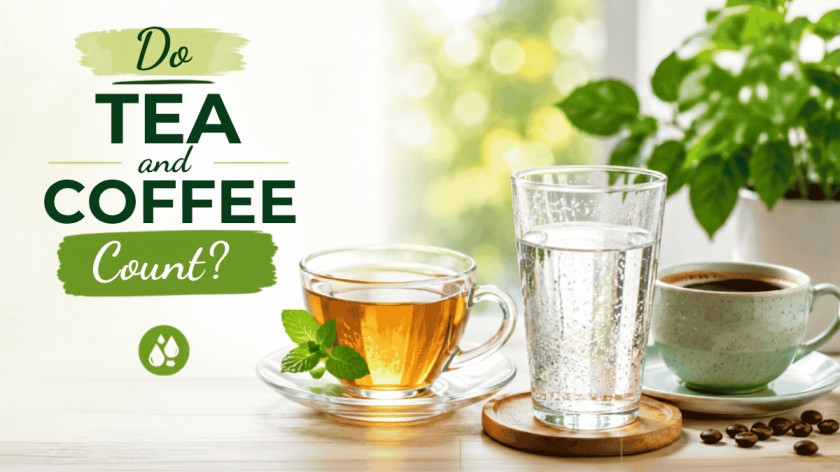
This is a common question.
For most healthy adults, beverages such as tea and coffee can contribute to overall fluid intake.
However, plain water remains one of the simplest choices because it doesn’t add sugar or calories.
If your usual drink contains lots of added sugar, gradually replacing some of those drinks with water can be a practical step toward healthier everyday habits.
You don’t have to completely change everything overnight.
Even replacing one sugary drink with water is a small improvement.
Don’t Forget About Hydrating Foods
Here’s something many people overlook:
Hydration doesn’t come only from your water bottle.
Many everyday foods contain substantial amounts of water.
Think about:
- Watermelon
- Orange
- Cucumber
- Tomato
- Strawberries
- Soups
- Other fresh fruits and vegetables
This doesn’t mean food can replace drinking water.
It simply means your overall hydration is influenced by both what you eat and drink.
That’s one reason why a balanced diet and regular fluid intake work well together.
Common Mistakes to Avoid
Following the “eight glasses” rule blindly
Eight glasses can be a simple reminder, but it isn’t a scientifically precise target for every person.
Your needs can be higher or lower.
Drinking huge amounts at once
Hydration works better as a regular habit than as a race to finish several bottles at the end of the day.
Spread your fluids throughout your normal routine.
Forgetting about hot weather
You may need to pay more attention to fluids when you’re sweating more because of heat or physical activity.
Ignoring your body’s signals
Constant thirst, very dark urine or noticeably reduced urination shouldn’t simply be ignored.
Pay attention to what your body is telling you.
Assuming more is always better
Water is essential, but that doesn’t mean you should force yourself to drink excessive amounts.
Too much water can also be harmful, particularly when consumed very quickly.
The goal is adequate hydration—not maximum hydration.
A Simple Hydration Routine You Can Actually Follow
If you’re starting from a habit of drinking very little water, don’t feel that you need to completely change your routine tomorrow.
Start small.
Keep a bottle nearby.
Drink with meals.
Have water when you wake up.
Take water when you leave home.
Drink regularly during physical activity.
Eat more water-rich foods.
And make your water easy to access.
After a few days, these small actions can start feeling normal rather than like another task on your to-do list.
For families, make it a shared habit instead of something that feels like a rule.
Children can carry their own bottles. Parents can keep water available during meals. Everyone can take a bottle when heading outdoors.
Simple systems often work better than complicated goals.
When You May Need to Pay Extra Attention
Some situations increase the risk of losing more fluid.
Hot weather, prolonged exercise, heavy sweating, fever, vomiting and diarrhoea can all change your hydration needs.
Older adults may also need to pay closer attention because the sensation of thirst can become less reliable with age.
People with certain medical conditions may have specific fluid requirements or restrictions.
If your doctor has given you individual advice about how much fluid to drink, that advice should take priority over general hydration recommendations.
The Bottom Line
So, how much water should you drink daily?
There isn’t one magic number.
A useful general reference is around 2.7 litres of total water per day for women and 3.7 litres for men, but those figures include fluid from foods and beverages and aren’t a rule that every person must follow exactly.
Your needs can change with your activity, climate, diet, age and other circumstances.
Instead of worrying about whether you’ve reached a perfect number, focus on building a routine that works for your life.
Keep water nearby.
Drink regularly.
Choose water more often.
Eat plenty of water-rich foods.
And pay attention to your body’s signals.
Healthy habits don’t have to be complicated.
Sometimes, improving your health really does begin with something as simple as reaching for a glass of water.
FAQs
Q1. How much water should you drink daily?
There is no single amount that works for everyone. A commonly referenced adequate intake for healthy adults is about 2.7 litres of total water for women and 3.7 litres for men, including water from food and beverages.
Q2. Does the 2.7 or 3.7 litre recommendation mean I need to drink that much plain water?
No. Those figures refer to total water intake, which includes water from drinking water, other beverages and food.
Q3. How do I know if I am drinking enough water?
Thirst and urine colour can provide useful everyday clues. Pale-yellow urine is generally associated with good hydration, while darker urine may indicate that you need more fluids.
Q4. Do tea and coffee count toward hydration?
Yes. For most healthy adults, tea and coffee can contribute to total fluid intake. Plain water is still a simple choice because it contains no added sugar or calories.
Q5. Should you drink more water during hot weather?
You may need additional fluids when you’re exposed to hot conditions or sweating more than usual, particularly during physical activity.
Q6. Can you drink too much water?
Yes. Excessive water intake, particularly when consumed very quickly, can be harmful. The goal is to maintain appropriate hydration rather than forcing yourself to drink as much water as possible.
Q7. Is eight glasses of water a day enough?
Eight glasses can be a simple general reminder, but it isn’t an exact requirement for everyone. Individual hydration needs vary depending on factors such as activity, climate, diet and age.